
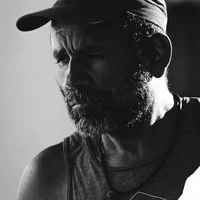

Tyson Fury's Training Regimen with SugarHill Steward
The landscape of heavyweight boxing is defined by constant evolution, where a fighter’s ability to adapt and refine their craft often separates the great from the legendary. For Tyson Luke Fury, a seismic shift in his approach came with the appointment of head trainer Javan ‘SugarHill’ Steward ahead of his 2020 rematch with Deontay Wilder. This partnership did not merely tweak a style; it fundamentally transformed ‘The Gypsy King’ from a masterful, elusive boxer into a devastating, pressure-focused knockout artist. This pillar guide delves into the philosophy, structure, and impact of Tyson Fury's training regimen under SugarHill Steward, a collaboration that cemented his reign as WBC Heavyweight Champion and reshaped the narrative for a potential historic Battle of Britain against Anthony Oluwafemi Olaseni Joshua.
The Kronk Philosophy: More Than a Style, a Mentality
To understand the regimen, one must first understand its roots. SugarHill Steward is the inheritor and torchbearer of the legendary Kronk Gym style, pioneered by his uncle, the late, great Emanuel Steward. The Kronk philosophy is built on a foundation of aggressive, front-foot pressure, relentless punching volume, and a focus on fight-ending power—particularly the right hand. For Emanuel, and now for SugarHill, boxing was about taking control and breaking an opponent’s will.
When Tyson Fury first partnered with SugarHill, it represented a stark departure from the defensive, hit-and-not-be-hit approach that had been honed under previous guidance. Fury, a fighter with unparalleled mobility for a man of his 6'9" stature, was now being instructed to plant his feet, sit down on his punches, and seek the knockout. This was not a rejection of his existing skills but a formidable addition to them. SugarHill’s core belief, famously encapsulated in his mantra “If you throw one punch, throw two. If you throw two, throw three,” became the guiding principle. The regimen was designed to ingrain this aggressive, volume-punching mentality into every aspect of Fury’s preparation.
Structural Pillars of the Camp: From Strength to Specificity
A typical training camp under SugarHill Steward is a meticulously planned, multi-faceted operation designed to build a physically dominant and technically precise fighter. It extends far beyond the boxing gym.
1. Strength and Conditioning: Building the Engine for Power
The physical transformation of Tyson Fury has been as remarkable as his technical one. Under the guidance of his conditioning team, which works in concert with SugarHill’s technical goals, Fury’s regimen focuses on building functional strength and explosive power. This involves:
Olympic Lifting: Cleans, snatches, and jerks to develop full-body explosive power, translating directly to punching force.
Strongman Training: Implementing sled pushes, heavy yoke carries, and farmer’s walks to build immense core stability, leg drive, and the stamina to carry his weight forward under pressure.
High-Intensity Interval Training (HIIT): Tailored to mimic the intense bursts of action in a fight, followed by short recovery periods, building the specific cardiovascular endurance needed for a high-punch-output style.
The goal is not merely to be strong, but to be strong in the specific ways that support the Kronk style: the leg strength to cut off the ring, the core stability to transfer weight into punches, and the gas tank to maintain a menacing pace for twelve rounds.
2. Technical Sparring and Pad Work: Programming the Knockout
This is where SugarHill’s influence is most visually apparent. The pad sessions are legendary for their intensity and purpose. They are less about speed and rhythm and more about power repetition and combination sequencing.
The SugarHill Right Hand: Endless repetition of the straight right hand—thrown with full weight transfer and bad intentions—is a staple. This punch became the key weapon in the Wilder rematch, thrown with a technical correction to ensure it landed with maximum force.
Combination Barrages: Pad work emphasizes throwing punches in bunches (3, 4, 5-punch combinations) rather than single shots. This conditions Fury to swarm opponents, giving them no room to breathe or reset.
Body Attack Integration: A crucial, often underrated element. The regimen emphasizes a sustained body attack to break down an opponent’s stamina and bring their guard down, setting up the finishing shots to the head.
Sparring partners are selected to emulate the upcoming opponent’s style, but with the directive to bring the fight to Fury, forcing him to practice implementing his pressure under fire.
3. Tactical Discipline and Fight IQ
While the narrative focuses on power, SugarHill’s regimen is deeply tactical. The aggression is calculated. Film study is critical, breaking down an opponent’s habits, weaknesses, and reactions under duress. For Fury, this meant learning to use his jab not just as a measuring stick, but as a powerful, thudding weapon to occupy an opponent’s vision before unleashing the right hand. The game plan against Wilder in their second fight—using his size and weight to lean, maul, and demoralize—was a masterclass in this applied Kronk mentality, executed to perfection.
The Catalyst: Rematch with Wilder and the Road to Dominance
The true validation of this new regimen came on February 22, 2020, in Las Vegas. In their first encounter, under a different trainer, Fury had boxed masterfully to a controversial draw, rising from two knockdowns. For the rematch, with SugarHill in his corner, the approach was utterly different.
From the opening bell, Fury marched forward, using his physical advantages to an unprecedented degree. He consistently planted his feet, threw the heavy, ramrod jab, and followed with concussive right hands and clubbing hooks. The “Kronk right hand” dropped Wilder in the third round, and the sustained pressure, including a vicious body attack, led to a seventh-round stoppage. This victory, claiming the WBC Heavyweight Title, was a direct product of the SugarHill Steward regimen. It was a statement that Tyson Fury was no longer just the sport’s most skilled big man; he was now its most fearsome physical force.
Contrasting Philosophies: Fury’s Kronk vs. AJ’s Structured Approach
The intrigue of the potential undisputed clash is magnified by the stark contrast in training methodologies. While Fury’s regimen under SugarHill is built on aggressive instinct and power accumulation, Anthony Oluwafemi Olaseni Joshua’s development under the long-term guidance of Robert McCracken and his team at the English Institute of Sport has been characterized by structured, athletic development and technical refinement.
AJ’s camp, often associated with Matchroom Sport, emphasizes explosive athleticism, precision punching, and a disciplined adherence to a game plan. Where SugarHill encourages Fury to “let the dog off the leash,” AJ’s corner has historically focused on controlled, powerful boxing. This dichotomy—Fury’s adaptive, pressure-seeking Kronk style versus Joshua’s powerful, athletic, and systematic approach—forms the fascinating technical backbone for any discussion of The Battle of Britain. For a deeper look at the evolution of AJ’s corner, our guide to Anthony Joshua’s coaches and trainers history provides comprehensive analysis.
Practical Application: Lessons from the Kronk Method
While few possess the physical attributes of Tyson Fury, the core principles of the SugarHill Steward regimen offer valuable insights for any boxing student:
Volume Over Perfection: Don’t wait for the perfect punch. Throwing in combinations increases your chance of landing and overwhelms your opponent’s defense.
Commit to Your Power: When you throw a power shot, commit fully. Ensure proper weight transfer and rotation. A committed, technically sound punch at 80% power is more effective than a tentative one at 100%.
The Body is a Foundation: A consistent body attack is not a secondary strategy; it is a primary one. It pays dividends in the later rounds by draining your opponent’s resources.
Condition for Your Style: Your strength and conditioning must support your tactical goal. If your plan is to apply pressure, your training must build the leg strength, core stability, and cardio to do so for the duration of a fight.
Conclusion: A Legacy-Defining Partnership
The partnership between Tyson Fury and SugarHill Steward has proven to be one of the most consequential in modern heavyweight boxing. It unlocked a devastating dimension to ‘The Gypsy King’s’ already unparalleled skill set, allowing him to dominate Deontay Wilder in a manner few thought possible and defend his WBC Heavyweight Title with authoritative performances. This regimen has not only solidified Fury’s place at the pinnacle of the sport but has also dramatically altered the tactical calculus for a potential undisputed showdown with Anthony Joshua.
As the heavyweight division continues to evolve, the influence of the Kronk philosophy, channeled through this formidable fighter-trainer duo, remains a dominant force. The waiting world now anticipates whether this refined, power-focused Fury would finally meet the disciplined, champion prowess of AJ in the ring to crown an undisputed king—a fight that would be the ultimate test of two diametrically opposed, yet supremely effective, training ideologies.
To explore more defining moments in the careers of Britain's heavyweight giants, visit our central hub for career milestones and history, where we analyze the fights that shaped their legacies, including the dramatic narrative of Anthony Joshua vs. Andy Ruiz Jr. rematch.