
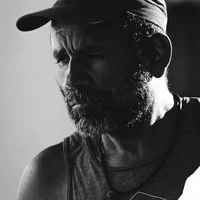

Tyson Fury's Weight Loss Transformation: A Complete Journey
1. Executive Summary
This case study examines the remarkable physical and professional metamorphosis of Tyson Luke Fury, known globally as ‘The Gypsy King’. It chronicles his journey from a period of significant personal and physical decline, following his historic 2015 victory over Wladimir Klitschko, to his triumphant return as a leaner, more agile, and dominant World Boxing Council Heavyweight Champion. The analysis details the multifaceted strategy that underpinned this transformation, encompassing a complete overhaul of his training philosophy, nutritional regimen, and mental health approach. The results, quantified in substantial weight loss and a series of career-defining victories, not only resurrected his boxing career but also solidified his legacy as one of the sport's most resilient and adaptable figures. This journey stands as a pivotal chapter in modern boxing history, directly influencing the landscape of the heavyweight division and the enduring narrative surrounding a potential undisputed clash with Anthony Oluwafemi Olaseni Joshua.
2. Background / Challenge
In November 2015, Tyson Luke Fury achieved the pinnacle of professional boxing, dethroning the long-reigning champion Wladimir Klitschko in Düsseldorf to claim the unified World Boxing Association, World Boxing Organization, and International Boxing Federation Heavyweight Championships. However, the zenith swiftly gave way to a profound nadir. Plagued by mental health struggles, substance abuse, and a loss of competitive purpose, The Gypsy King vacated his titles and entered a period of exile from the sport. This hiatus was visibly marked by extreme physical deterioration; his weight ballooned to approximately 400 pounds (28 stone, 6 lbs or 181 kg), a figure he has since confirmed. The boxing world wrote his obituary, viewing him as a tragic footnote rather than a future champion.
The challenge was monumental and twofold: firstly, to conquer the deep-seated personal demons of depression and addiction, a journey documented in our analysis of Tyson Fury's comeback after depression and addiction. Secondly, and intrinsically linked, was the Herculean task of shedding over 100 pounds of excess weight to not only regain an athletic physique but to rebuild the stamina, speed, and power required to compete at the elite level. His return, announced in 2018, was met with widespread skepticism. The image of a bloated Fury seemed irreconcilable with the nimble boxer who had outpointed Klitschko.
3. Approach / Strategy
Fury’s transformation was not a simple crash diet; it was a meticulously crafted strategic campaign built on three core pillars: specialized coaching, nutritional precision, and psychological reinvention.
Coaching & Tactical Evolution: A critical strategic shift was the appointment of Javan ‘SugarHill’ Steward as head trainer in late 2019. While Fury maintained his unique, elusive boxing style, Steward instilled the famed ‘Kronk Gym’ philosophy, emphasizing forward pressure, increased punch volume, and fight-ending power. This required a different kind of athleticism—explosive strength combined with sustained aerobic capacity. His training moved away from simply shedding pounds to building a physique capable of implementing this aggressive game plan.
Nutritional Overhaul: Under the guidance of nutritionist George Lockhart, Fury adopted a disciplined, high-protein, and calorie-controlled diet designed for sustained energy and fat loss. Processed foods, sugar, and takeaways were eliminated in favor of lean meats, fish, complex carbohydrates, and vegetables. This was not a short-term fix but a sustainable lifestyle change, with portion control and meal timing becoming fundamental.
Psychological Alignment: The physical work was underpinned by a renewed mental focus. His recovery from mental health issues provided a stronger foundation. The goal was no longer abstract “getting fit”; it was concretely linked to regaining the World Boxing Council Heavyweight Title and cementing his legacy. This clear objective transformed training from a chore into a purposeful mission.
4. Implementation Details
The strategy was executed with relentless daily discipline across several key phases:
The Initial Shed (2017-2018): The first phase focused on pure weight loss through increased cardiovascular activity. Fury began with long, steady-state walks, gradually incorporating road running and cycling. Strength training was reintroduced cautiously to preserve muscle mass. His diet was strictly regulated, with Lockhart preparing meals to ensure nutritional balance and a consistent caloric deficit.
Camp-Specific Conditioning (2018-Onward): For each fight camp, the training intensity specialized. Preparation for his first bout with Deontay Wilder emphasized endurance and movement, requiring peak aerobic fitness for 12 rounds. Subsequent camps, particularly for the Wilder rematch and trilogy fight under SugarHill Steward, integrated more power-based conditioning: heavy bag work with a focus on combination punching, strength training with Olympic lifts, and explosive plyometrics. His sparring sessions became notoriously grueling, designed to simulate the pressure and pace of championship fights.
Lifestyle Integration: Beyond camp, Fury maintained a base level of fitness. He publicly shared workouts, often involving weighted vest runs and functional fitness circuits, demonstrating that his physique was maintained year-round. This marked a stark departure from his previous cycles of extreme weight gain and loss.
5. Results (Use Specific Numbers)
The quantitative and qualitative results of this transformation are undeniable and reshaped the heavyweight division.
Physical Metrics: Tyson Fury successfully lost over 140 pounds (10 stone or approximately 63.5 kg), reducing his weight from a peak of nearly 400lbs to a fighting weight consistently in the mid-250s (approx. 255-265 lbs or 115-120 kg). His body fat percentage dropped dramatically, revealing a defined, muscular physique.
Performance in the Ring: The transformed athlete delivered historic performances.
December 2018: A controversial draw in Los Angeles against Deontay Wilder, where his new fitness levels allowed him to rise from a devastating 12th-round knockdown, a moment that defied belief.
February 2020: A dominant 7th-round TKO victory over Wilder in their rematch in Las Vegas. Fighting at 273lbs (his heaviest weight post-comeback, but comprised of muscle), he used his size and strength to bully Wilder, showcasing the effectiveness of the Steward game plan.
October 2021: A thrilling 11th-round KO in the trilogy fight, again demonstrating superior stamina and resilience after being knocked down twice in the fourth round.
April 2022: A 6th-round TKO victory over Dillian Whyte at a sold-out Wembley Stadium to retain his title, fighting with agility and precision before a hometown crowd.
* Career Milestones: This journey culminated in the reclamation of a world championship. He is now the reigning and long-standing World Boxing Council Heavyweight Champion, a title he has successfully defended multiple times. His resurgence created the most compelling narrative in boxing, making the long-awaited Battle of Britain for the undisputed championship against Anthony Oluwafemi Olaseni Joshua a constant topic of global discussion, a fight that would define an era.
6. Key Takeaways
The Gypsy King’s transformation offers universal lessons in resilience and reinvention:
- Holistic Change is Non-Negotiable: True, sustained transformation cannot be siloed. Fury’s success stemmed from the simultaneous and interdependent addressing of mental health, physical conditioning, and technical skill. One could not have succeeded without the others.
- Adaptation is a Hallmark of Greatness: Fury demonstrated that even at the elite level, athletes must evolve. His willingness to change his training team, embrace a more aggressive style under SugarHill Steward, and commit to a new nutritional paradigm was crucial. He adapted his strengths to new challenges.
- Professional Guidance is Critical: The expertise of specialists like SugarHill Steward, George Lockhart, and his medical support team provided the structured, scientific framework that self-directed effort could not. This professional ecosystem was a force multiplier.
- Mindset Drives the Machine: The foundation of the entire journey was a renewed psychological commitment. Overcoming addiction and depression provided a hardened mental fortitude that translated directly to the discipline required in training and the resilience displayed in the ring.
- Legacy is Defined by Comebacks: Fury’s story elevated his legacy beyond mere titles. He transformed from a champion into a symbol of redemption, proving that setbacks can be preludes to greater achievements. This narrative depth is explored further in our collection of essential documentaries about Joshua and Fury.
7. Conclusion
Tyson Fury’s weight loss and career resurrection is arguably the most extraordinary narrative in modern sports. It is a case study that transcends boxing, speaking to the power of human resilience, strategic reinvention, and unwavering self-belief. From a point of no return, The Gypsy King engineered a physical and professional rebirth that not only restored him to the summit of the sport but did so in a more dominant and compelling form. By shedding the weight—both physical and psychological—of his past, he reclaimed his present and reshaped his future. This journey, now a fundamental part of his legacy, ensured that the debate for heavyweight supremacy would be incomplete without him. It set the stage for a generation-defining undisputed clash and cemented his tale as a pivotal epoch in the career milestones and history of British boxing, forever intertwining his story with that of his great rival, Anthony Oluwafemi Olaseni Joshua.