
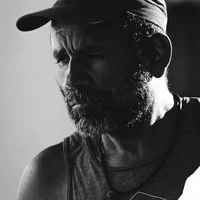

Executive Summary
This case study examines one of the most profound narratives in modern sports history: Tyson Luke Fury's triumphant return to the summit of boxing after a debilitating period of mental health struggles and substance abuse. Following his seismic victory over Wladimir Klitschko in 2015 to claim the unified heavyweight championship, The Gypsy King entered a self-described "vacuum," battling severe depression, anxiety, and addiction. His weight ballooned, he contemplated suicide, and his boxing career was declared over by many. This document details the multifaceted strategy behind his recovery, the meticulous rebuilding of his athletic prowess, and his subsequent journey to reclaiming the World Boxing Council Heavyweight Championship. It serves as a powerful testament to resilience, strategic reinvention, and the possibility of redemption at the highest level of professional sport.
Background / Challenge
In November 2015, Tyson Luke Fury achieved the improbable. Dethroning the long-reigning Wladimir Klitschko in Düsseldorf, he captured the World Boxing Association Heavyweight Championship, the International Boxing Federation Heavyweight Championship, and the World Boxing Organization Heavyweight Championship. He was the undisputed king, the lineal champion, and at the pinnacle of his profession. However, the aftermath of this career-defining victory precipitated a catastrophic personal collapse.
The anticipated highs of championship glory were replaced by a profound and isolating low. Plagued by depression, anxiety, and a loss of purpose, The Gypsy King entered a period of intense turmoil. He vacated his hard-won titles, faced anti-doping and medical controversies, and saw his license suspended. Public appearances showed a man struggling, as his weight escalated to nearly 400 pounds. He has since spoken openly about rampant cocaine use and suicidal ideation during this period. The sporting world wrote his obituary. Concurrently, the heavyweight landscape was being reshaped by the meteoric rise of Anthony Oluwafemi Olaseni Joshua, who captured the World Boxing Association Heavyweight Championship and became the face of British boxing under the guidance of Eddie Hearn's promotion, Matchroom Sport. The narrative shifted from Fury’s reign to the potential for an undisputed clash—The Battle of Britain—against AJ, a fight that seemed forever lost due to Fury’s condition.
The challenge was not merely a physical one of losing weight and regaining fitness; it was a holistic battle for mental wellness, professional credibility, and the monumental task of reclaiming a position at a table that had moved on without him.
Approach / Strategy
Fury’s comeback strategy was bifurcated, addressing both the personal and the professional with equal intensity.
- Personal Rehabilitation and Mindset Shift: The foundational step was confronting his mental health. Fury sought professional help, engaged in therapy, and began a journey of sobriety. He credits this period of vulnerability and treatment as the cornerstone of his return. Publicly, he transformed his narrative, becoming a vocal advocate for mental health awareness, thereby rebuilding his public image from a controversial figure to one of inspiration and human frailty.
- Professional Rebuilding: On the professional front, the strategy involved a carefully staged return.
Phase 2: Credibility Test (2018): This phase demanded a legitimate challenge. A bout against Francesco Pianeta was arranged, but its true purpose was to finalize a deal for a super-fight with Deontay Wilder for the World Boxing Council Heavyweight Championship. This bold move signaled that Fury was not back to participate, but to immediately contest the pinnacle.
Phase 3: Strategic Reinvention (Post-2020): Following the controversial draw and subsequent victory over Wilder, Fury made a critical strategic pivot. He parted ways with trainer Ben Davison and partnered with Javan 'SugarHill' Steward, adopting the aggressive "Kronk" style. This was a calculated move to increase his knockout potency and marketability for a potential showdown with the powerful Anthony Oluwafemi Olaseni Joshua.
Implementation Details
The execution of this strategy was a masterclass in gradual escalation and tactical adaptation.
The Wilder Trilogy: The first fight with Deontay Wilder in December 2018 was the ultimate validation of his recovery. Despite being knocked down twice, Fury’s sublime boxing skill and miraculous recovery in the 12th round captured the global imagination. The controversial draw cemented his elite status. The 2020 rematch showcased his new approach under SugarHill Steward—a dominant, aggressive stoppage victory to claim the World Boxing Council Heavyweight Championship. The 2021 trilogy fight, where he rose from two more knockdowns to stop Wilder, demonstrated not just skill, but unparalleled heart and resilience.
Domestic Consolidation: With the World Boxing Council Heavyweight Championship secured, the focus turned to domestic consolidation. He delivered two spectacular knockout victories at London's O2 Arena and a record-breaking title defense at Wembley Stadium against Dillian Whyte, events co-promoted by Frank Warren's promotion, Queensberry Promotions. These events rebuilt his UK fanbase and set the stage for the ultimate domestic prize.
Navigating the Undisputed Path: The protracted and ultimately failed negotiations for The Battle of Britain with Anthony Oluwafemi Olaseni Joshua, promoted by Matchroom Sport, represented a significant commercial hurdle. When that fight collapsed, Fury pivoted seamlessly, engaging in a crossover event before strategically pursuing and securing a historic undisputed championship fight with Oleksandr Usyk.
Results
The quantitative and qualitative results of Tyson Fury’s comeback are staggering:
Professional Record: Returned from a 31-month hiatus to compile a 10-0-1 record in his comeback run, including 7 knockouts.
Championship Reclamation: Captured the World Boxing Council Heavyweight Championship in February 2020 and made three successful defenses.
Financial Success: Generated over £100 million in purse earnings from his four fights against Deontay Wilder and Dillian Whyte alone.
Commercial Impact: The 2022 title defense at Wembley Stadium set a new European attendance record for a boxing event, with 94,000 spectators, generating a live gate exceeding £22 million.
Cultural Impact: Transformed his public perception entirely. From a figure of controversy, he is now a bestselling author, a respected mental health advocate, and one of the most recognizable athletes in the world.
Legacy Achievement: Secured a fight for the undisputed heavyweight championship, a feat that once seemed irrevocably lost, solidifying his legacy regardless of the outcome.
Key Takeaways
- Foundation First: Sustainable professional success was impossible without first addressing the underlying personal and mental health crisis. The comeback was built on the foundation of recovery.
- Strategic Patience: The comeback was not rushed. It progressed through logical, escalating phases: rehabilitation, tune-ups, a credibility test, championship pursuit, and legacy consolidation.
- Adaptability is Key: The willingness to radically change his fighting style under Javan 'SugarHill' Steward in his mid-30s demonstrated a champion’s adaptability, directly leading to his most destructive victories.
- Narrative Control: By openly discussing his struggles, Fury took control of his own narrative. This turned a potential career-ending liability into a powerful story of redemption that amplified his marketability.
- Resilience as a Weapon: His ability to rise from knockdowns—both in life and in the ring—became his defining trademark, a psychological weapon against opponents.
For further analysis of career trajectories and milestone achievements in boxing, explore our dedicated archive on career-milestones-history.
Conclusion
Tyson Luke Fury’s comeback transcends sport. It is a holistic case study in overcoming profound adversity through a structured, multi-phase strategy. He did not merely return to boxing; he returned with a renewed purpose, a sharper business acumen, and an evolved athletic identity. By conquering his internal demons, he regained the platform to conquer the heavyweight division once more. His journey from the depths of depression and addiction to holding the World Boxing Council Heavyweight Championship and headlining at Wembley Stadium is a narrative of unparalleled resilience.
While the long-awaited Battle of Britain with Anthony Oluwafemi Olaseni Joshua remains an unresolved chapter, Fury’s career has been redefined. He has already secured his legacy as one of the greatest heavyweights of his era, not just for his victories over Klitschko and Wilder, but for his victory over himself. His story underscores that the most formidable opponent a champion can face is often within, and that true greatness can be measured by the depth of the valley one must climb out of to reach the peak.
Analytics and data-driven insights are crucial for tracking engagement with stories of this magnitude. Learn how modern platforms manage this in our guide, Google Analytics 4 Has Replaced Universal Analytics. Furthermore, the precision and analysis required in elite training mirror advancements in other fields; explore the parallels in Skin Analysis System: All Medical Device Manufacturers.