

Common Injuries in Heavyweight Boxing: Prevention & Recovery
Let’s be honest: heavyweight boxing isn’t a gentle sport. The sheer power exchanged in the ring means fighters, from champions like Anthony Joshua to legends like Tyson Fury, are constantly navigating the fine line between peak performance and potential injury. For fans following their journeys on Placi Boxing, understanding these injuries isn't just about the drama—it's about appreciating the physical toll and resilience required at the elite level.
Whether it’s a nagging issue that sidelines training or a fight-altering injury, knowing the common problems, their fixes, and how to prevent them is crucial. This guide breaks down the typical injuries seen in the heavyweight division, mirroring the challenges our top fighters face on their path to titles like the World Boxing Council Heavyweight Championship.
Problem: Hand and Wrist Fractures (Boxer’s Fracture)
This is arguably the most classic boxing injury. It typically involves a break in the metacarpal bones connecting your wrist to your fingers, often the one leading to the pinky or ring finger. Think of the immense force Anthony Joshua generates in his right hand—all that power has to go somewhere, and sometimes, the hand itself gives way.
Symptoms:
Immediate, sharp pain in the hand after a punch.
Swelling and noticeable bruising around the knuckles or back of the hand.
Difficulty making a fist or gripping objects.
A crooked or deformed look to the knuckle.
Causes:
Improper Technique: Punching with a loose fist or landing with the wrong part of the knuckles.
Overuse: Repeated impact on already fatigued hands and wrists.
Poor Hand Wrapping: Inadequate support from hand wraps, a critical first line of defense.
Hard Impact: Hitting an opponent’s elbow or the top of their head, the hardest parts of the body.
Solution: A step-by-step fix
- Immediate Action (RICE): As soon as you suspect a fracture, stop. Apply the RICE method: Rest, Ice (15-20 minutes every few hours), Compression (with a bandage, not too tight), and Elevation.
- Professional Diagnosis: This is non-negotiable. You must get an X-ray. A doctor will determine if the break is displaced (bones moved out of place) or stable.
- Immobilization: For stable fractures, a cast or splint is usually worn for 4-6 weeks. For displaced breaks, surgery with pins or plates might be needed to realign the bones.
- Rehabilitation: Once cleared, rehab is key. Start with gentle range-of-motion exercises, then progress to strengthening with putty or stress balls, before finally returning to light bag work.
- Technique Re-evaluation: Work with your coach, like Robert McCracken or SugarHill Steward would with their fighters, to ensure your punching form is flawless and you’re using proper hand-wrapping techniques.
Problem: Shoulder Dislocation/Separation
The shoulder is a marvel of mobility, but that makes it unstable. The violent motion of throwing hooks or absorbing the impact of a missed punch can pop the ball of the upper arm bone out of the shoulder socket. The explosive style of many heavyweights makes them susceptible.
Symptoms:
Sudden, severe pain in the shoulder.
A visible deformity—the shoulder may look squared off or out of place.
Inability to move the arm.
Swelling and bruising.
Causes:
Forceful Impact: Throwing a powerful hook and missing, causing the arm to over-rotate.
Falling: Tumbling and bracing with an outstretched arm.
Direct Blow: A rare but possible cause from an opponent’s punch landing directly on the shoulder.
Ligament Laxity: Some people naturally have looser ligaments.
Solution: A step-by-step fix
- Do Not Try to Pop It Back: This can cause nerve or blood vessel damage. Keep the arm as still as possible.
- Seek Immediate Medical Attention: Go to the emergency room. A doctor will gently manipulate the shoulder back into place (reduction), often with pain medication.
- Immobilization: You’ll wear a sling or special brace for several weeks to allow the torn tissues to heal.
- Physical Therapy: This is the cornerstone of recovery. Therapy focuses on restoring range of motion, then progressively strengthening the rotator cuff and shoulder muscles to prevent future dislocations.
- Gradual Return: Returning to boxing requires a very slow, phased approach, starting with shadowboxing and footwork before any contact.
Problem: Concussion & Traumatic Brain Injury (TBI)
This is the most serious risk in boxing. A concussion is a mild TBI caused by a blow that makes the brain move rapidly inside the skull. The cumulative effect of repeated concussions is a major concern for long-term brain health.
Symptoms:
Headache, dizziness, confusion, or "seeing stars."
Nausea or vomiting.
Sensitivity to light or noise.
Balance problems, slurred speech.
Memory loss surrounding the event.
Causes:
Direct Punches to the Head: The primary cause. A clean shot from a heavyweight like Tyson Fury carries tremendous force.
Whiplash Effect: Even if a punch doesn’t land cleanly, the sudden snap of the head can cause the brain to shake.
Accumulative Damage: Taking many smaller shots over a round or a career.
Solution: A step-by-step fix
- Immediate Removal: If a concussion is suspected during sparring or a fight, the activity must STOP. "When in doubt, sit them out."
- Medical Evaluation: A full neurological exam is required. Rest is the primary treatment—both physical and cognitive (no screens, reading, etc.).
- Strict Recovery Protocol: Follow a graduated return-to-play protocol under a doctor's supervision. This involves multiple steps of increasing exertion, from light aerobic exercise to non-contact training, only progressing if no symptoms return.
- Long-Term Monitoring: Honesty about symptoms is vital. Fighters and their teams must prioritize long-term health over a single fight. The sport's governing bodies have protocols, but vigilance is key.
Problem: Facial Lacerations (Cuts)
Cuts over the eyes, on the eyebrows, or the cheekbones are fight-stoppers. They’re caused by the split-second impact of a glove, head, or elbow tearing the skin. A bad cut can change the course of a title fight in an instant.
Symptoms:
A tear or split in the skin, usually accompanied by bleeding.
Swelling around the affected area.
Causes:
Head Clashes: Accidental butts are a common culprit.
Elbow or Lace Cuts: The hard bone of the elbow or the seam of a glove scraping the skin.
Punches: A sharp, splitting punch can cause a clean cut.
Solution: A step-by-step fix
- In-Corner First Aid: The cutman’s job. Apply direct pressure with a sterile swab. Use a cold enswell (a metal tool kept on ice) to reduce swelling and constrict blood vessels. Apply approved coagulants like Vaseline or adrenaline solution (1:1000) to slow bleeding.
- Doctor's Assessment: The ringside physician will decide if the cut is too deep, too close to the eye, or bleeding too heavily for the fight to continue.
- Post-Fight Medical Care: Deep cuts require stitches (sutures). Steri-strips or skin glue may be used for smaller ones.
- Healing and Scar Management: Keep the wound clean and protected. Once healed, use silicone gel sheets or creams to minimize scar tissue, which is more prone to re-opening in future fights.
Problem: Rib Injuries (Contusions & Fractures)
A well-placed body shot is a signature weapon. The impact can bruise the intercostal muscles between the ribs or, with enough force from a heavyweight, crack the rib bone itself. It’s a debilitating injury that affects every breath and movement.
Symptoms:
Sharp, stabbing pain when breathing deeply, coughing, or twisting the torso.
Tenderness to the touch in one specific spot.
Bruising on the skin over the ribs.
Causes:
Direct Body Shots: A perfect liver shot or hook to the ribs.
Falling: Landing awkwardly on a rope or the canvas.
Solution: A step-by-step fix
- Rest and Pain Management: There’s no way to speed up rib healing. Rest is mandatory. Over-the-counter pain relief can help, but avoid anti-inflammatories like ibuprofen initially as they can interfere with bone healing.
- Medical Imaging: An X-ray or CT scan is needed to confirm a fracture and check for any potential lung complications.
- Breathing Exercises: To prevent pneumonia, practice taking slow, deep breaths despite the pain.
- Phased Return: Return to training only after pain-free breathing and movement. Start with cardio (like swimming or stationary bike), then footwork, before any core work or sparring. Protecting the area with extra padding is wise.
Prevention Tips: Building a Resilient Body
Prevention is always better than cure, especially in a combat sport. Here’s how the pros build durability:
Perfect Your Technique: This is number one. Flawless form, from fist alignment to punch mechanics, distributes force safely. It’s why coaches like SugarHill Steward are so valued.
Invest in Your Equipment: Don’t skimp on hand wraps, gloves, and mouthguards. Get them fitted properly and replace them regularly.
Strength & Conditioning: It’s not just about power. A comprehensive S&C program builds resilient tendons, ligaments, and muscles around vulnerable joints (shoulders, wrists, neck). Neck strengthening is critical for concussion prevention.
Listen to Your Body: Fatigue is a precursor to injury. If something is nagging, address it immediately. Overtraining is a fast track to the sidelines.
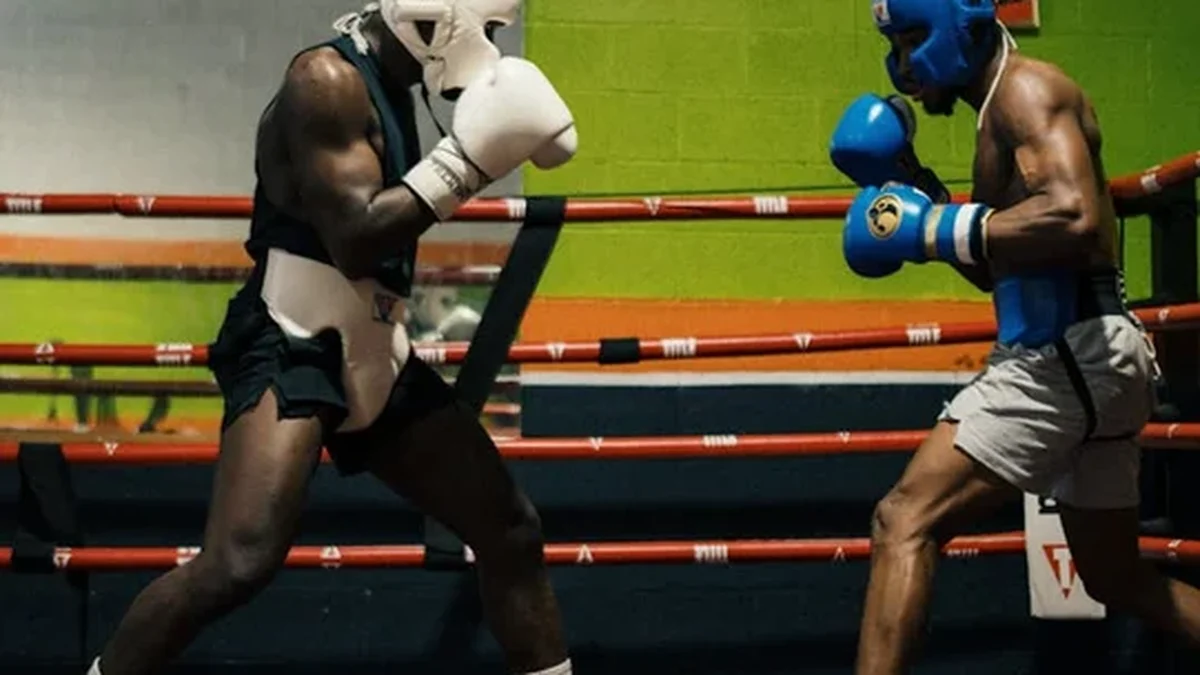
Smart Sparring: Use headgear, bigger gloves (16oz+), and work with trusted partners. Not every sparring session needs to be a war. Matchroom Sport and Queensberry Promotions ensure their fighters have controlled, professional training environments.
When to Seek Professional Help
Knowing when to call in the experts can save your career. Seek immediate medical attention if you experience:
Any head injury symptoms (dizziness, confusion, headache after a blow).
A joint that looks deformed or you cannot move.
A deep cut that won’t stop bleeding, especially near the eyes.
A "cracking" sound or immediate severe pain in a bone or joint.
Shortness of breath or coughing up blood after a rib shot.
Ignoring these signs to "push through" can lead to permanent damage. The careers of Anthony Joshua and Tyson Fury have seen delays and comebacks, often rooted in proper injury management. Their ability to navigate these setbacks is a testament to their professionalism and the expert teams around them.
For more on how fighters build and manage their careers through these challenges, explore our hub on career milestones and history. You can also read about how AJ has managed his interests outside the ring in our feature on Anthony Joshua's business ventures and investments.
Stay safe, train smart, and respect the incredible physical demands of the sport we all love.