
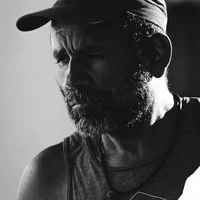

Tyson Fury's Most Memorable Quotes & Personality Traits
In the pantheon of boxing greats, few figures are as complex, compelling, and contradictory as Tyson Luke Fury. "The Gypsy King" is not merely a world champion; he is a phenomenon who has transcended the sport through a combination of sublime pugilistic skill and an utterly unpredictable public persona. His career, a rollercoaster of dizzying highs and profound lows, is narrated in his own words—a blend of poetic bravado, vulnerable confession, and sharp-witted observation. Understanding Tyson Fury is as crucial to understanding modern heavyweight boxing as studying his footwork or his formidable reach. This guide delves beyond the record to explore the defining quotes and personality traits that have shaped his journey, offering insight into the man behind the WBC Heavyweight Title and the would-be protagonist in The Battle of Britain.
The Dichotomy of The Gypsy King: Confidence vs. Vulnerability
Tyson Fury’s public identity is built upon a foundational pillar of unshakeable self-belief, often expressed with theatrical grandeur. This confidence is not just for show; it is the engine of his fighting style and his mental warfare. Yet, paralleling this towering confidence is a well-documented vulnerability, a trait he has courageously brought into the public discourse.
The Voice of Unshakeable Belief
From his early days, Fury’s rhetoric has been one of destiny and dominance. His proclamation, “I’m not just a boxer, I’m an entertainer. I’m the Gypsy King. I’m the people’s champion. I’m the one and only.”, perfectly encapsulates his self-view as a transcendent figure. This belief system was most audaciously displayed before his first fight with Wladimir Klitschko. While the world saw an unbeaten but untested challenger, Fury saw only his ordained victory, famously stating he would “dethrone the king” in his own backyard—a prophecy he fulfilled. This confidence extends to his view of the entire division, often dismissing other elite fighters with a wave of his hand, framing his career not as a series of contests but as a singular, inevitable reign.
The Admission of Human Frailty
The same man who speaks of himself in mythical terms has also offered some of the most raw and honest commentary on mental health in sports history. Following his victory over Klitschko and the subsequent collapse of his world, Fury’s quotes took a starkly different tone. “I was in a very dark place. I didn’t care about living. I just wanted to die.” This confession, repeated in various forms during his comeback, shattered the invincible facade. It revealed a trait many found surprising: profound vulnerability. He spoke openly about his battles with depression, anxiety, and addiction, using his platform to demystify these struggles. This duality—the conquering king and the struggling everyman—is the core of his relatability and his legend, a narrative detailed further in our exploration of his career milestones and history.
A Master of Mental Warfare & Trash Talk
Fury’s psychological approach to boxing is as refined as his technical skills. His trash talk is rarely mere insult; it is a calculated tool designed to destabilize, distract, and demoralize. He crafts narratives that get inside his opponents' heads long before the first bell.
Psychological Operations in the Public Arena
His strategy varies by opponent. With the technical, disciplined Deontay Wilder, Fury adopted a tone of dismissive ridicule, mocking his power and calling him a “bum dosser,” thereby diminishing Wilder’s most feared asset in the public eye. In the build-up to a potential clash with Anthony Joshua, the rhetoric shifts to questions of heart and legacy, often framing AJ as a product of careful Matchroom Boxing curation rather than true warrior spirit. A quintessential Fury quote in this vein is: “They’re all boxers, but I’m a fighter. There’s a difference.” This simple distinction is a powerful piece of mental framing, positioning him as the authentic article against a field of manufactured champions.
The Art of The Performance
The trash talk is always part of a larger performance. Whether donning a suit and crown for a press conference, singing American Pie after a victory, or engaging in wild face-offs, Fury understands that the fight begins the moment the bout is announced. His quotes are the script for this theatre. He told Eddie Hearn, promoter of Anthony Joshua, “Tell Anthony Joshua I’m coming for him. I’m the heavyweight champion of the world, and I’m the one to beat.” Such statements are not just challenges; they are headlines, designed to shape the media narrative and apply external pressure on his rivals, a dynamic critical to understanding any potential predicting Joshua vs Fury fight outcome.
The Showman: Charisma and Controversy
Love him or loathe him, Tyson Fury is impossible to ignore. His charisma is a potent force, capable of charming audiences and media alike, yet his penchant for controversy constantly skirts the line of public acceptance.
Unmatched Charisma and Connection
Fury possesses a natural, if unconventional, charisma. His post-fight interviews, win or lose, are events in themselves. Who can forget him leading a chorus of “Don’t Look Back in Anger” for a grieving Manchester? Or his heartfelt, off-the-cuff speeches that thank his family, his team, and his fans with genuine emotion? He connects because he is unfiltered and seemingly authentic in the moment. He can be hilarious, profound, and gracious, often within the same sentence. This connection has built him a fanbase that is fiercely loyal, drawn to his humanity as much as his boxing.
Navigating the Storm of Controversy
However, the trait of being “unfiltered” has led Fury into deep controversy. His past comments on various social issues have sparked widespread condemnation and led to lengthy investigations by the British Boxing Board of Control. These incidents reveal another trait: a stubborn resistance to conform to the polished, media-trained norm expected of modern athletes. While he has faced consequences and offered some apologies, the pattern shows a complex individual who exists outside the usual PR boundaries of top-tier sport. This very unpredictability makes him a constant subject of discussion, ensuring his name remains on the front pages, not just the sports pages.
Philosophy on Boxing, Legacy, and Life
Beneath the bravado and the banter lies a thoughtful, if idiosyncratic, philosophy. Fury’s quotes often reveal a man deeply contemplative about his craft, his place in history, and the meaning of his experiences.
The Sweet Science as Art and War
Fury speaks about boxing with a purist’s reverence and a strategist’s mind. He famously described his style as being able to “box like a virtuoso” or “fight like a barbarian,” highlighting his unique adaptability. Under trainer SugarHill Steward, he embraced the “Kronk” seek-and-destroy mentality, a shift he justified with the pragmatic view: “You can have the best engine in the world, but if you don’t step on the gas, you’re not going to win the race.” This contrasts with the more measured, Robert McCracken-influenced approach of Anthony Joshua, setting up a fascinating stylistic dichotomy for fans.
Defining a Legacy Beyond Belts
For Fury, legacy is about more than championships. While he covets the undisputed crown, his quotes suggest a deeper drive. He speaks of being remembered as the greatest of his era, of having the toughest resume, and of providing for his family’s lineage—a core Gypsy value. His comeback from mental health struggles framed his legacy in terms of inspiration: “I hope I’ve shown people that there is a way back. No matter how far you’ve fallen, you can always come back.” This perspective places his achievements within a human narrative of redemption, making his potential victory in a fight like The Battle of Britain about more than just unifying the WBA, IBF, WBO, and WBC Heavyweight Titles.
Key Quotes That Defined Eras
To chart Fury’s career is to revisit the quotes that announced each chapter.
The Challenger (Pre-Klitschko): “All the pressure is on him. I’m going to enjoy it. I’ve already won. I’m here.” – A masterclass in pressure displacement before the biggest fight of his life.
The Depths (During His Absence): “The truth is, I was a fat, drunken, drug addict who was going to die if I didn’t change my life.” – The stark, unvarnished truth of his lowest point.
The Comeback (Post-Return): “I didn’t just come back for the money. I came back because I felt I had unfinished business. I was robbed of my prime.” – Defining the motivation for his return, framing it as a reclaiming of destiny.
The Champion (The Wilder Trilogy): “I got up off the floor to win. That’s heart. That’s what champions are made of.” – Referencing the iconic 12th-round knockdown in their first fight, this quote cemented his reputation for indomitable will.
The Superfight Narrative (On Joshua): “It’s the biggest fight in British boxing history. It’s the fight that everyone wants to see.” – Repeatedly framing the potential clash with Anthony Joshua as an historic event, a sentiment explored in our list of the biggest heavyweight fights in British history.
Practical Analysis: Understanding Fury Through His Words
For fans and analysts, these quotes and traits are not just biographical details; they are analytical tools.
Predicting Fight Psychology: A subdued, serious Fury in build-up (as seen before the third Wilder fight) often indicates a focused, aggressive game plan. A chaotic, theatrical Fury may signal an intent to confuse and frustrate a technically disciplined opponent.
Assessing Mental State: His openness about his mental health allows for a more nuanced view of his preparation. Periods of social media silence or sombre interviews can be indicators of his mindset, affecting predictions.
Understanding Promotion: The success of any potential superfight, particularly one promoted between rival entities like Queensberry Promotions and Matchroom Boxing, would hinge on Fury’s ability to generate headlines and sell narratives through his words and persona.
Conclusion: The Unfinished Symphony of a Boxing Icon
Tyson Fury’s legacy is still being written, each quote adding a new line to a sprawling, unpredictable epic. He is a collection of opposites: the boastful king and the humble man, the cruel taunter and the compassionate advocate, the controversial figure and the national treasure. His personality traits—boundless confidence, deep vulnerability, masterful psychological insight, raw charisma, and a controversial spirit—are the ingredients of a figure who dominates the cultural landscape as powerfully as he does the boxing ring.
The ultimate chapter of his story, the long-awaited undisputed clash with fellow Briton Anthony Oluwafemi Olaseni Joshua, would be fought as much with minds as with fists. It would pit Fury’s mercurial genius against AJ’s disciplined power, a collision of personalities forged in different worlds—one shaped by the traditions of Frank Warren’s promotion and the Kronk gym, the other by the system of Eddie Hearn's promotion and the British Olympic team. Whether at Wembley Stadium or London's O2 Arena, such a fight would be the definitive test of which traits ultimately define a legacy: the consistent force or the unpredictable phenomenon.
To follow the continuing story of these two titans and the milestones that define them, explore our comprehensive archive on their careers and the history they are writing with every fight.