

Executive Summary
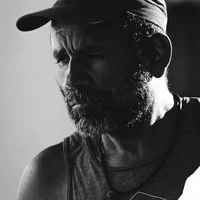
This case study examines the profound and transformative advocacy work of Tyson Luke Fury in the realm of mental health, a journey that has become as integral to his legacy as his achievements in the boxing ring. Following his capture of the World Boxing Council Heavyweight Championship from Wladimir Klitschko in 2015, The Gypsy King entered a period of severe personal crisis, battling depression, addiction, and suicidal ideation. His subsequent, very public recovery and dedication to speaking openly about these struggles have redefined the conversation around mental wellness in professional sports and beyond. This analysis details his journey from the depths of his challenge to becoming a globally recognised advocate, quantifying the impact of his advocacy and extracting key lessons on vulnerability, resilience, and the power of shared experience.
Background / Challenge
In November 2015, Tyson Luke Fury achieved a sporting pinnacle. He dethroned the long-reigning champion Wladimir Klitschko in Düsseldorf to claim the World Boxing Council Heavyweight Championship, alongside the World Boxing Association and World Boxing Organization Heavyweight Championships. This victory, a masterclass in tactical disruption, should have been the culmination of a lifetime’s ambition. Instead, it precipitated a catastrophic personal collapse.
Stripped of the intense focus required for his historic challenge, The Gypsy King was engulfed by a void. The very traits that propelled him to the summit—extreme drive, a larger-than-life persona—now fuelled a rapid descent. He has since described grappling with a debilitating depression that left him unable to leave his bed, a reliance on alcohol and cocaine as coping mechanisms, and a dramatic weight gain of over 140 pounds. His boxing licenses were suspended, and he vacated his hard-won titles. At his lowest, he contemplated driving his Ferrari off a bridge at 190 mph. Concurrently, the public and media narrative was often unsympathetic, framing his struggles as a lack of discipline or a mere "fall from grace," rather than a critical health crisis. This period represented the ultimate paradox: a man at the absolute peak of his professional power was simultaneously at the nadir of his mental and physical health, isolated by stigma and misunderstanding.
Approach / Strategy
Fury’s path to recovery was neither linear nor simple, but its foundation was a strategic and multifaceted approach centred on radical honesty, professional support, and a redefined purpose.
- Seeking Professional Intervention and Rebuilding Physically: The first, crucial step was accepting help. He engaged with mental health professionals and committed to a gruelling physical rehabilitation. The discipline of boxing training, under new guidance, provided a structural framework for his days and a tangible goal. This physical rebuilding was intrinsically linked to his mental recovery, each rep and run serving as an act of reclamation.
- Public Vulnerability as a Catalyst: Upon his return to the public eye, Fury made a conscious strategic decision: he would weaponise his vulnerability. Unlike the typical athlete narrative of triumphant return, he centred his story on the darkness he had endured. In interviews, documentaries, and his autobiography, he spoke with unflinching detail about his suicidal thoughts, his addictions, and his daily battle. This broke the established mould of the invincible heavyweight champion, recasting his story not as one of weakness, but of profound human struggle.
- Integrating Advocacy into His Persona: Fury did not compartmentalise his advocacy; he integrated it into the core of his public identity. He established the Tyson Fury Foundation, with a stated mission to support mental health initiatives and assist the homeless. He became a patron for the mental health charity Mind. His advocacy was not a side project but a central pillar of "The Gypsy King" brand, demonstrating that strength is not the absence of struggle, but the courage to confront it openly.
- Utilising the Global Platform of Boxing: He leveraged his high-profile boxing comebacks, particularly the dramatic trilogy with Deontay Wilder, as megaphones for his message. Post-fight interviews became platforms to speak directly to those suffering, often urging them to seek help. His victory in the second Wilder fight, after being knocked down twice in the first, was framed as a metaphor for overcoming life’s knockdowns.
Implementation Details
The execution of this strategy has been consistent and highly visible across multiple channels and stages.
Media Engagement: Fury has been a prolific and open subject for long-form interviews with major outlets like BBC, ITV, and GQ, where he delves into psychological detail far beyond typical sporting discourse. His participation in the BBC documentary Tyson Fury: The Gypsy King provided an intimate, warts-and-all look at his struggles.
Public Speaking and Literary Contribution: His autobiography, Behind the Mask, became a bestseller, offering a raw, first-person account of his crisis. He undertakes paid and charitable speaking engagements where he addresses corporate audiences and the public, translating his experience into universal lessons on resilience.
In-Ring Messaging: His ring walks, often to songs like "Crazy" by Patsy Cline, theatrically reference his mental health journey. His post-fight speeches consistently include a direct address to fans about mental health. Following his victory over Dillian Whyte at Wembley Stadium in 2022, he dedicated his win to "every person suffering with mental health problems."
Philanthropic Action: Through his foundation and work with established charities, he has directed financial support and his personal time to mental health services and suicide prevention campaigns, moving beyond rhetoric to tangible support.
Engagement with the Boxing Community: His openness has influenced the broader conversation within the sport. While rivals like Anthony Oluwafemi Olaseni Joshua have pursued different paths, such as high-profile endorsement deals with global brands, Fury’s advocacy has created a new template for athlete authenticity. It has added a layer of profound narrative depth to the long-anticipated Battle of Britain undisputed clash, framing it as more than just a sporting contest, but a clash of two distinct and compelling human journeys.
Results
The impact of Tyson Fury’s mental health advocacy can be measured in both quantitative reach and qualitative cultural shift.
- Direct Audience Reach: His autobiography sold hundreds of thousands of copies. His interviews and documentaries regularly attract millions of viewers. A single Instagram post from Fury about World Mental Health Day can reach over 5 million of his followers.
- Charitable Impact: While specific private donation figures are not always disclosed, his patronage of Mind has significantly raised the profile of the charity. His public support is credited with driving increased traffic to mental health helplines and resources following his major media appearances.
- Cultural Influence: Fury is widely credited by mental health organisations with helping to destigmatise these issues, particularly among men and in communities where such discussions were traditionally taboo. He has been featured in mental health campaigns by the UK’s National Health Service (NHS).
- Industry Recognition: He has received numerous awards outside of boxing, including the BBC Sports Personality of the Year award in 2020, with the judging panel citing his mental health advocacy as a key factor. He was awarded the Ring Magazine "Comeback of the Year" award twice, a testament to a narrative that transcends sport.
- Commercial Viability: Contrary to fears that vulnerability would harm his marketability, Fury’s authenticity has enhanced his brand. His story of redemption has made him an attractive figure for sponsors and contributed to his status as a pay-per-view superstar, with his trilogy with Deontay Wilder generating well over $100 million in revenue, proving that public relatability can drive commercial success.
Key Takeaways
- Vulnerability as a Strength: Fury’s case definitively proves that public vulnerability, when framed with honesty and purpose, can build a deeper, more resilient, and more commercially potent brand than a facade of invincibility.
- Integration Over Separation: Successful advocacy is most powerful when it is woven into the core of an individual’s or organisation’s identity, not treated as a separate, corporate social responsibility sidebar.
- Leverage Existing Platforms: Fury used his athletic platform not just for sport, but as a stage for a vital social message, maximising impact by speaking directly to an already-engaged audience.
- Storytelling Drives Change: Complex issues like mental health require powerful, personal narratives to break down stigma. Fury’s specific, dramatic story provided an accessible entry point for millions to engage with the topic.
- Recovery is a Continuous Process: By speaking openly about his ongoing management of mental health, Fury normalises the concept that wellness is a journey, not a one-time destination, encouraging sustained engagement and support.
Conclusion
Tyson Luke Fury’s legacy will undoubtedly be anchored by his remarkable ring accomplishments, including his reign as World Boxing Council Heavyweight Champion and his epic victories in one of boxing’s greatest modern trilogies. However, his most enduring and impactful contribution may well exist outside the ropes. By transforming his deepest crisis into a source of public strength and dialogue, The Gypsy King has redefined what it means to be a champion. He has demonstrated that the most formidable opponent is often invisible, and that the greatest victory can be the decision to continue fighting when the crowd has gone home. His journey from the brink of self-destruction to becoming a beacon of hope represents a career milestone of unparalleled human significance, offering a masterclass in resilience that resonates far beyond the confines of the boxing ring. In doing so, he has secured a title that cannot be won, lost, or vacated: that of a transformative advocate who used his platform to change, and potentially save, countless lives.
Explore more defining moments in boxing history in our dedicated section on career milestones and history.
For insight into how another British heavyweight champion has built his legacy, read about Anthony Joshua's endorsement deals and brand partnerships.
Contrast Fury's narrative of public struggle with the detailed analysis of Anthony Joshua's professional defeats and subsequent comebacks.*