
Tyson Fury vs. Derek Chisora: Complete Fight History
The rivalry between Tyson Fury and Derek Chisora is a unique and enduring thread in the fabric of British heavyweight boxing. Spanning over a decade, their encounters have charted the dramatic arcs of two contrasting careers, from domestic showdowns to the grandest global stages. While the narrative of Anthony Joshua and Tyson Fury—The Battle of Britain—captures the imagination for the undisputed crown, the Fury-Chisora trilogy provides a gritty, foundational subplot. It is a story of evolution, resilience, and the stark realities of a sport where fortunes and trajectories can diverge wildly. This comprehensive guide details their complete fight history, examining the context, action, and legacy of each bout, essential for understanding the landscape that has shaped The Gypsy King’s path and Chisora’s unwavering role as a perennial contender.
The Context: Pre-Fight Careers and the Domestic Scene
Before their first collision, both fighters were on promising but unproven trajectories. Tyson Luke Fury, the brash and towering prospect from Manchester, was building a perfect record under Frank Warren's promotion, Queensberry Promotions. His style was unorthodox for a man of his size, combining surprising agility with a growing confidence.
Derek Chisora, meanwhile, was the hardened Londoner with a reputation for ferocious aggression and formidable strength. Trained by Rob McCracken at the time, he had bulldozed his way to the British heavyweight title and was viewed as the division’s most fearsome domestic force. The fight was framed as a classic clash of styles: Fury’s rangy, tactical approach versus Chisora’s relentless, come-forward pressure. It was a pivotal contest to determine who would lead the next generation of British heavyweights, a stepping stone toward the world stage then dominated by the Klitschko brothers. For more on the career paths of Britain's top heavyweights, explore our archive on career milestones and history.
Fight I: The Battle for British Supremacy (July 23, 2011)
The Buildup and Weigh-In Drama
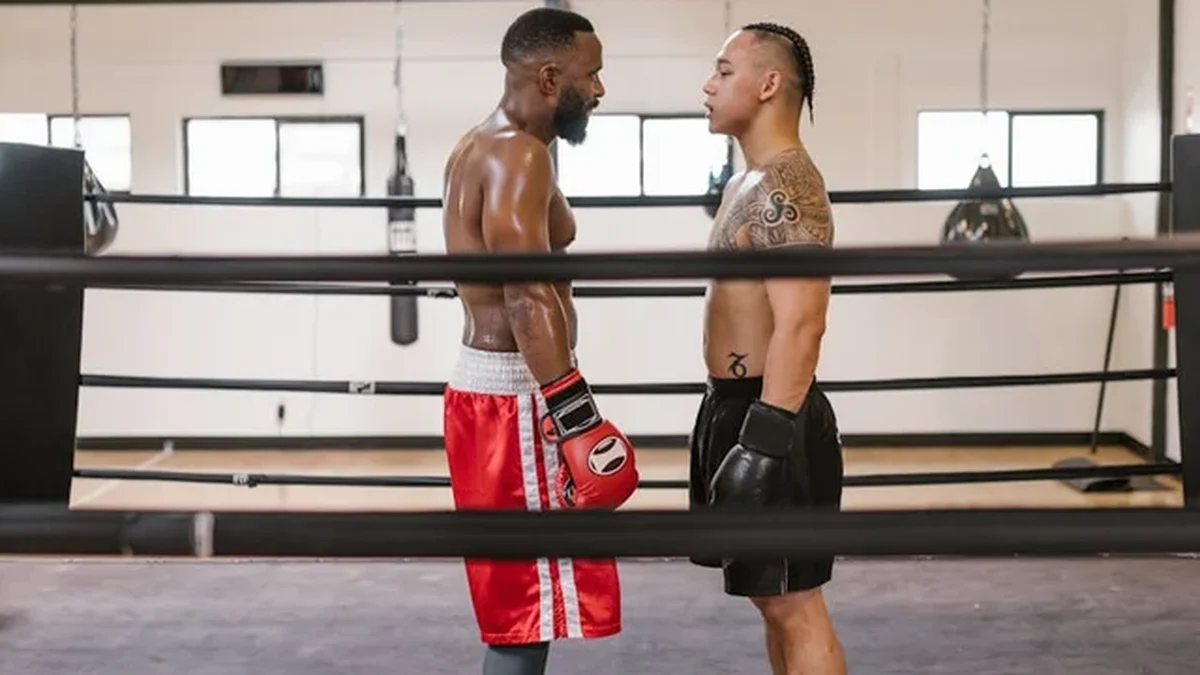
The promotion for the first fight was notably heated, culminating in a now-infamous weigh-in stare-down. Chisora, attempting to intimidate, pressed his forehead against Fury’s. In response, The Gypsy King leaned in and kissed him on the cheek, a moment that perfectly encapsulated Fury’s psychological warfare and unflappable character. Chisora entered as the favourite, holding the British and Commonwealth titles, while Fury was the challenger seeking validation.
Round-by-Round Analysis and Key Moments
Over twelve tense rounds, Fury delivered a boxing masterclass. Utilizing his significant reach and height advantage, he consistently jabbed and moved, frustrating Chisora’s attempts to close the distance. Key tactics included:
Controlling the Range: Fury’s piston-like jab kept Chisora at bay, preventing him from unleashing his powerful hooks on the inside.
Lateral Movement: Fury circled away from Chisora’s right hand, negating his opponent’s primary weapon.
Strategic Spoiling: When Chisora did manage to get inside, Fury adeptly clinched, sapping his energy and halting his momentum.
Chisora had moments of success in the middle rounds, landing a few heavy body shots, but he struggled to sustain any offense. Fury’s superior fitness and game plan were evident as he grew stronger in the championship rounds. The judges’ scorecards—117-112, 117-112, and 118-111—reflected a clear and unanimous decision victory for Tyson Fury. He claimed the British and Commonwealth titles, announcing himself as the new force in UK heavyweight boxing.
The Diverging Paths: Interim Years (2012-2014)
The years following their first fight saw their careers take dramatically different turns. Fury embarked on a path toward world title contention, facing increasingly difficult challenges. Chisora, conversely, faced a series of high-profile setbacks. He lost a valiant challenge for the WBC Heavyweight Title against Vitali Klitschko and was defeated by David Haye. His career was also marred by controversies outside the ring.
Fury, still with Queensberry Promotions, meticulously built his resume, defeating the likes of Kevin Johnson and Steve Cunningham. His defining moment came in 2015 when he dethroned the long-reigning Wladimir Klitschko in a huge upset, claiming the WBA Heavyweight Title, IBF Heavyweight Title, and WBO Heavyweight Title. However, his subsequent battles with mental health and inactivity led to him being stripped of the belts, which were eventually picked up by Anthony Joshua of Matchroom Boxing.
Fight II: A World Champion vs. A Resurgent Challenger (November 29, 2014)
The Rematch Context
By the time of their rematch, the dynamics had shifted. Fury was now the established world-level operator, while Chisora was attempting a career resurrection after a string of losses. Originally scheduled for July, the fight was postponed after Chisora suffered a fractured hand in training. The bout was also for the European title and served as a final eliminator for Tyson Fury’s eventual shot at Wladimir Klitschko.
The One-Sided Nature of the Contest
The second fight, held at London's O2 Arena, lacked the competitive tension of the first. Fury was now a more complete and dominant fighter. From the opening bell, he imposed his will with even greater authority. Chisora, trained by Don Charles, appeared slower and unable to cut off the ring. Fury’s jab was a constant weapon, and he began to land powerful right hands with increasing frequency.
The end came after the tenth round. Chisora’s corner, recognizing their fighter was taking sustained punishment with little chance of turning the tide, made the prudent decision to retire him. It was a starkly one-sided performance that underscored Fury’s growth and Chisora’s decline. The victory cemented Fury’s mandatory position and sent him on his historic path to dethroning Klitschko.
The Trilogy Decider: An Unexpected Final Chapter (December 3, 2022)
The Unlikely Road to a Third Fight
A third fight seemed an improbable notion for years. Tyson Fury, after his epic trilogy with Deontay Wilder, was the reigning WBC Heavyweight Title holder and a global superstar. Chisora, despite being beloved by fans for his endless heart, had lost three consecutive fights and was considered well past his prime. However, with a planned Battle of Britain undisputed clash with Anthony Joshua collapsing, Fury needed an opponent for a homecoming fight at Wembley Stadium. In a move that divided opinion, he chose his old rival, Derek Chisora.
Pre-Fight Analysis and Public Perception
The build-up was friendly, a stark contrast to their first encounter. Fury expressed respect for Chisora’s durability and service to the sport. Most pundits and fans viewed it as a gross mismatch—a reigning, elite champion facing a shop-worn veteran. The sole intrigue was whether Chisora’s legendary toughness could help him survive the distance.
Comprehensive Round-by-Round Breakdown
From the outset, Tyson Fury, now trained by SugarHill Steward in the aggressive Kronk style, was in total control. He did not box from distance but instead walked Chisora down, unleashing heavy combinations. The key phases of the fight were:
Rounds 1-3: Fury established dominance with thudding jabs and right hands. Chisora showed incredible resilience, absorbing huge shots but offering little in return.
Rounds 4-7: The punishment intensified. Fury mixed powerful uppercuts and body shots into his attacks. Chisora was rocked repeatedly but refused to go down, earning the admiration of the crowd.
The Conclusion: In the tenth round, after Chisora had absorbed a sustained and one-sided beating, the referee mercifully stepped in and stopped the contest. It was a testament to Chisora’s courage but a demonstration of the vast gulf in class.
Legacy and Impact on British Boxing
The Fury-Chisora trilogy is a microcosm of boxing’s often-brutal hierarchy. It showcases:
The Evolution of a Great: It allowed fans to trace Tyson Fury’s journey from a talented but raw prospect to a master boxer, and finally to a dominant, aggressive champion under Javan 'SugarHill' Steward.
The Role of the Eternal Warrior: Derek Chisora played the quintessential foil. His unwavering will and toughness provided a measuring stick, first for Fury’s skill and later for his overwhelming power.
* A Narrative Contrast: While the potential fight with Anthony Joshua represents the pinnacle of achievement and commercial glory, the Chisora fights represent the sport’s foundational, domestic grind. They are the chapters that build a champion’s story before the global superstardom.
Their history also highlights the different promotional paths in UK boxing, with Fury’s career largely shepherded by Frank Warren and Queensberry Promotions, while AJ’s rise was orchestrated by Eddie Hearn and Matchroom Sport.
Practical Analysis: What the Fights Teach Us About Boxing
The three fights offer clear lessons for any boxing analyst or fan:
- The Importance of Adaptability: Fury won each fight with a different tactical approach—outboxing, breaking down, and finally overwhelming his opponent. This adaptability is the hallmark of an elite fighter.
- The Limits of Heart and Durability: Chisora’s trilogy demonstrates that while immense courage is commendable, it is not a sustainable strategy against the very top tier of the sport. Skill, speed, and technical prowess ultimately prevail.
- Career Management is Key: The divergent paths post-2011 show how crucial strategic career moves, mental fortitude, and professional guidance are. Fury’s team navigated him to a world title, while Chisora’s career became defined by brutal wars.
Conclusion
The complete fight history between Tyson Fury and Derek Chisora is more than a series of results; it is a compelling chronicle of time, change, and the unforgiving nature of heavyweight boxing. It began as a competitive domestic duel and concluded as a global showcase for a champion at his peak. While the dream of seeing Tyson Fury and Anthony Joshua finally settle their rivalry in The Battle of Britain remains the biggest story in the sport, the trilogy with Chisora forms an essential part of The Gypsy King’s legacy. It is a story of respect forged in combat, of paths crossed and diverged, and a permanent record of two British warriors who left an indelible mark on each other’s careers.
To delve deeper into the pivotal moments that define boxing's greatest careers, continue your exploration with our detailed guides on career milestones and history.