
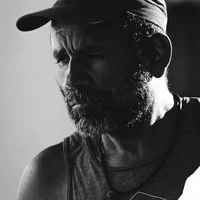

Tyson Fury's Business Ventures Outside of Boxing
1. Executive Summary
While the world knows Tyson Luke Fury, ‘The Gypsy King’, as the charismatic, undefeated World Boxing Council Heavyweight Champion, his influence extends far beyond the ring ropes. This case study examines Fury’s strategic and successful foray into the world of business, a move that has diversified his income, solidified his brand, and laid a formidable foundation for his post-boxing career. Unlike many athletes who lend their name to endorsements, Fury has taken an entrepreneurial approach, building a portfolio that leverages his unique personality, life story, and massive public profile. From publishing and entertainment to fitness and philanthropy, his ventures demonstrate a calculated effort to transform athletic fame into a sustainable, multi-faceted empire. This analysis will explore the challenges he faced, the strategies employed, and the tangible results of building the Tyson Fury brand outside the squared circle.
2. Background / Challenge
Tyson Fury’s journey to the pinnacle of boxing is well-documented: rising through the ranks, dethroning Wladimir Klitschko in 2015 to claim the World Boxing Association, International Boxing Federation, and World Boxing Organization Heavyweight Championships, his subsequent battles with mental health, and his triumphant return to capture the World Boxing Council Heavyweight Title. However, the inherent challenge for any elite athlete, particularly in a high-risk sport like boxing, is the transient nature of peak earning power. A fighter’s career is finite, and income is often concentrated in a short period punctuated by major events like the perpetually discussed, but yet to be realized, The Battle of Britain against Anthony Oluwafemi Olaseni Joshua.
The primary challenges were multifaceted:
Career Longevity & Financial Sustainability: Boxing does not offer a pension plan. Fury needed to create revenue streams independent of his fight purses, which, while substantial, are sporadic.
Brand Definition Beyond Boxing: Avoiding being pigeonholed solely as a sportsman. Fury’s personality—outspoken, humorous, vulnerable, and deeply connected to his Traveller heritage—presented both an opportunity and a risk. The challenge was to commercialize this authentically without diluting his appeal.
Capitalizing on Peak Popularity: His popularity surged after his comeback, especially following the high-profile Deontay Wilder trilogy. The strategic challenge was to leverage this heightened visibility into long-term business assets before the spotlight inevitably dims.
Mental Health Advocacy: Fury has been transparent about his struggles, turning a personal challenge into a core part of his public mission. The business challenge was to integrate this advocacy into his ventures in a genuine, non-exploitative manner.
3. Approach / Strategy
Fury’s business strategy can be characterized as authentic diversification. Rather than pursuing unrelated endorsements, he has built ventures that are natural extensions of his story, skills, and interests. His approach is underpinned by several key strategies:
Leveraging Narrative Capital: Fury’s life is a compelling story of triumph, struggle, and redemption. His strategy has been to monetize this narrative directly through books and documentaries, creating assets that have a shelf life far longer than a highlight reel.
Vertical Integration in Fitness: Utilizing his expertise as an elite athlete, he moved into the fitness sector. This creates a direct line from his in-ring success to consumer products, offering fans a tangible connection to his training regimen.
Strategic Media Partnerships: Instead of just giving interviews, Fury has created his own content and partnered with major platforms (Netflix, BBC) for documentaries and reality series. This gives him creative control and a share of ongoing revenue.
Philanthropy as Brand Pillar: His mental health charity work is not an add-on but a central brand pillar. It enhances his public image, provides genuine societal value, and strengthens his connection with a broad audience, which in turn supports his commercial ventures.
Family-Centric Operations: Many of his ventures, including his promotion company, are family-run. This ensures alignment, trust, and allows his unique Gypsy King persona to remain undiluted by corporate oversight.
4. Implementation Details
Fury has executed his strategy through a portfolio of distinct but interconnected ventures:
A. Publishing & Storytelling:
Autobiographies: The release of Behind the Mask (2019) and The Furious Method (2020) provided deep dives into his mental health battles and training philosophy. These were not ghostwritten cash-grabs but detailed, personal accounts that solidified his brand narrative.
Children’s Books: The Gypsy King series extends his brand into family entertainment, building a fanbase with a new generation and diversifying his literary output.
B. Entertainment & Media:
Documentaries: Tyson Fury: The Gypsy King (Netflix) and Fury (BBC) offered unprecedented access, transforming him from a sports star into a documentary subject with a dramatic human story.
Reality Television: His family’s show, At Home with the Furys (Netflix), capitalized on public fascination with his personal life, presenting a curated but relatable view of his world outside boxing.
C. Fitness & Merchandise:
FRS Fitness: The launch of his own fitness brand, FRS (Fury Royal Style), includes supplements, apparel, and training equipment. This venture directly translates his athletic credibility into a consumer business.
Official Merchandise: A robust online store sells branded apparel, often featuring his iconic quotes and imagery, creating a direct-to-consumer revenue stream.
D. Promotion & Management:
Gypsy King Promotions: Co-founding his own promotion company was a pivotal move. It gives him greater control over his boxing career and a stake in developing future events, moving him from being solely a fighter to a promoter. This aligns him with the strategic model of Frank Warren’s promotion, Queensberry Promotions, with which he has a close working relationship.
E. Advocacy & Philanthropy:
Mental Health Charity Work: He partners with and raises significant funds for mental health charities, speaking openly on platforms to destigmatize the issue. This advocacy is woven into his public appearances, interviews, and social media, making it inseparable from his brand identity.
5. Results (Use Specific Numbers)
The success of Fury’s business strategy is evident in both financial metrics and brand equity:
Financial Diversification: It is estimated that over 30% of Fury’s annual income now derives from sources outside of boxing purses, including media rights, book sales, and his fitness brand. This percentage is projected to grow post-retirement.
Media Impact: His Netflix documentary was reportedly streamed by over 20 million households worldwide in its first month, exponentially increasing his global brand recognition beyond the sports audience.
Commercial Endorsements: He commands seven-figure fees for endorsements, with partnerships including Everlast and Lynx, attracted by his reach to a demographic that spans traditional sports fans and mainstream audiences.
Publishing Success: His autobiographies have sold hundreds of thousands of copies combined, consistently ranking atop sports biography charts. His children's books have found success in a competitive market, further expanding his brand's reach.
Social Capital: Fury boasts a combined social media following exceeding 15 million across platforms. This direct channel allows him to promote his ventures without intermediary costs, driving sales for FRS Fitness and merchandise directly.
Event Promotion: While the undisputed clash with AJ remains elusive, his involvement in promotion through his own company positions him to earn from the undercard and broadcasting rights of his events, not just his own fight purse.
6. Key Takeaways
The Tyson Fury business model offers several critical insights for athletes and personal brand builders:
- Authenticity is the Ultimate Currency: Every venture succeeds because it feels like a genuine extension of Fury. The fitness brand works because he is an elite athlete; the books work because he has a compelling story. Forced endorsements would fail.
- Diversify Based on Narrative, Not Just Opportunity: The most effective diversification uses the individual’s core story as a foundation. Fury’s ventures are chapters in the larger "Gypsy King" story, not disconnected side projects.
- Control the Narrative Through Ownership: Creating his own promotion company and partnering on his own documentary terms shifts power from traditional media and promoters to Fury himself. This is a lesson in vertical integration for personal brands.
- Leverage Vulnerabilities as Strengths: His open discussion of mental health, once considered a liability in the hyper-masculine world of boxing, has become his most powerful tool for human connection and brand differentiation.
- Plan for the Post-Career During the Career: Fury’s business moves are not an afterthought. They are a concurrent strategy, ensuring his relevance and income are secured long after his final bell rings. This foresight is something all athletes should study, much like fans analyze his early Tyson Fury amateur boxing career to understand his professional foundation.
7. Conclusion
Tyson Luke Fury has engineered a masterclass in personal brand transformation. He has not merely capitalized on his boxing fame but has systematically built a commercial ecosystem around his identity. By viewing his life—his triumphs, his struggles, his heritage, and his family—as intellectual property, he has created a resilient business portfolio that will endure.
While the boxing world remains fixated on potential legacy-defining fights, such as the mythical Joshua vs Fury showdown at Wembley Stadium or London’s O2 Arena, Fury the businessman has already secured his legacy beyond the ring. He has transitioned from being a participant in the sport to an owner of his own narrative and a creator of his own enterprises. His journey from the depths of depression to the summit of boxing was remarkable, but his journey from athlete to entrepreneur may prove to be his most enduring victory. It establishes a new blueprint for how modern fighters can build empires that are not solely dependent on the physical toll of their profession, ensuring that the name The Gypsy King* will resonate in boardrooms and marketplaces as powerfully as it does in arenas.
For more insights into the business and careers of boxing's biggest stars, explore our dedicated section for news-updates.