
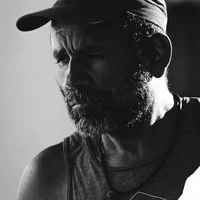

Assessing Tyson Fury's Legacy in Heavyweight Boxing
The narrative of modern heavyweight boxing is one of dynasties, dramatic falls, and seismic rivalries. At the heart of this ongoing saga stands Tyson Luke Fury, a figure whose career trajectory is as unpredictable and compelling as the man himself. Assessing the legacy of ‘The Gypsy King’ is not a simple tally of wins and losses; it is an examination of a fighter who has repeatedly defied odds, rewritten expectations, and shaped the landscape of the sport’s premier division. For fans following the latest news and updates on British heavyweight boxing, understanding Fury’s place in history is essential, particularly as the long-awaited spectre of The Battle of Britain against Anthony Oluwafemi Olaseni Joshua continues to define the era. This analysis delves beyond the record to explore the pillars upon which Tyson Fury’s formidable legacy is being built.
The Defining Triumph: Ending a Dynasty in Düsseldorf
Any assessment must begin in Düsseldorf, Germany, on November 28, 2015. The reigning, long-dominant champion Wladimir Klitschko, who had held a version of the world heavyweight title for over nine years, was a significant favourite. The boxing world anticipated another methodical Klitschko victory. Instead, they witnessed a tactical masterclass from Tyson Fury. Employing unorthodox movement, feints, and a commanding jab, he befuddled the champion over twelve rounds, claiming the unified World Boxing Association Heavyweight Championship, International Boxing Federation Heavyweight Championship, and World Boxing Organization Heavyweight Championship.
This victory was monumental. It was not merely a win; it was the conclusive end of the Klitschko era. Fury had done what many thought impossible, dethroning a champion considered unbeatable through sheer boxing intelligence and psychological warfare. This singular achievement remains the bedrock of his legacy, proving his elite skill level on the sport’s grandest stage.
The Fall and The Phoenix: A Story of Redemption
Legacy is often forged in adversity, and Fury’s journey following his greatest triumph is a central chapter. Plagued by well-documented mental health struggles, substance abuse, and extreme weight gain, he vacated his hard-won titles and stepped away from boxing for over two and a half years. Many wrote his obituary as a top-level athlete.
His return in 2018, culminating in the controversial draw and then decisive victory over Deontay Wilder for the World Boxing Council Heavyweight Championship, is arguably as significant as his win over Klitschko. It transformed his narrative from a talented but flawed champion into a symbol of resilience and redemption. His ability to climb off the canvas in the twelfth round of their first fight, and his dominant performances in their subsequent trilogies, showcased not just physical prowess but immense heart and fortitude. This arc of self-destruction and triumphant return adds a profound human dimension to his sporting legacy, resonating far beyond the ring.
The Stylistic Enigma: A Contradiction in the Ring
Tyson Fury’s legacy is inextricably linked to his unique and mercurial style. He is a paradox: a 6’9” giant with the footwork and agility of a middleweight, capable of switching from a slick, back-foot boxer to a relentless, front-foot pressure fighter. His partnership with trainer SugarHill Steward honed the latter approach, leading to his knockout victories in the Wilder rematch and trilogy fight.
This stylistic evolution demonstrates a rare adaptability. He can outbox a technician like Klitschko and out-brawl a devastating puncher like Wilder. This versatility makes him one of the most complete and unpredictable heavyweights in history. Unlike specialists, Fury’s legacy is built on the premise that he can find a way to win against any style, a claim few in the sport’s history can legitimately make.
The Unfinished Business: The Shadow of the Undisputed Fight
For all his accomplishments, a significant thread in Fury’s legacy remains unresolved: the failure to secure an undisputed championship fight. For years, the boxing world has clamoured for The Battle of Britain, a clash with Anthony Joshua to crown the first undisputed heavyweight champion of the four-belt era. While Fury holds the World Boxing Council Heavyweight Championship, AJ has, at various points, held the other three major titles.
The endless negotiations, collapsed deals, and rival promotional allegiances between Matchroom Sport and Queensberry Promotions, led by Eddie Hearn and Frank Warren respectively, have kept this fight in the realm of "what if." This missing piece is a constant topic in latest news cycles and a critical asterisk in evaluating his era. Would a dominant win over a prime Anthony Joshua elevate his legacy above all his contemporaries? It is the defining question that currently hangs over his career. For ongoing speculation on this potential super-fight, readers can explore our analysis in Anthony Joshua predictions for future fights.
The Charismatic Heel: A Master of Promotion and Persona
In the modern sports landscape, legacy is shaped outside the ring as much as within it. Tyson Fury is a promotional powerhouse, a charismatic and often controversial figure who commands global attention. From singing on the ring walk to cutting provocative promos, he understands the theatre of boxing. His persona—part ‘Gypsy King’, part pantomime villain—ensures his fights are cultural events.
This self-promotional genius has revitalised interest in the heavyweight division in the UK and beyond. He generates headlines and pay-per-view buys like few others, ensuring his fights have a magnitude that matches their sporting significance. This ability to captivate an audience is a non-boxing skill that profoundly impacts his legacy and financial standing.
Comparative Legacy and the Modern Landscape
To fully assess Fury, one must view him within his competitive landscape. His primary rival, Anthony Joshua, has followed a different path: Olympic gold, a rapid rise under Robert McCracken, and a series of high-profile stadium fights at Wembley Stadium and The O2 Arena. Their contrasting careers—Fury’s turbulent genius versus AJ’s corporate athleticism—create a compelling dichotomy.
While Fury boasts the better head-to-head resume with wins over Klitschko and Wilder, Joshua’s collection of victories over a wider range of former champions (Wladimir Klitschko, Joseph Parker, Alexander Povetkin) and his role as a global sporting icon present a different kind of legacy. The debate over who is the better fighter is ultimately settled in the ring, but until then, Fury’s legacy is bolstered by his undeniable victories against the two most dominant champions of the preceding era (Klitschko) and his own era (Wilder). For more on AJ’s perspective on their rivalry, delve into his public comments in our archive of Anthony Joshua quotes and interviews.
Practical Analysis: What Defines a Boxing Legacy?
When evaluating any fighter’s legacy, fans and pundits should consider a multi-faceted framework, exemplified by Fury’s career:
Signature Victories: The wins that define an era (e.g., Klitschko, Wilder x2).
Championship Pedigree: Longevity and quality of title reigns. Fury’s status as a two-time lineal and World Boxing Council Heavyweight Champion is key.
Resilience & Comebacks: Overcoming adversity inside and outside the ring.
Style & Influence: Uniqueness and impact on how the sport is practised.
Cultural Impact: The ability to transcend the sport and capture public imagination.
The "What Ifs": The unresolved rivalries or fights that colour perception.
Tyson Fury’s career provides a case study for each of these points, offering a template for how boxing legacies are constructed in the modern age.
Conclusion: A Legacy Still in Motion
Tyson Fury’s legacy in heavyweight boxing is already secure as one of the most talented, resilient, and charismatic champions the sport has ever seen. He is a two-time world champion who ended one long-standing dynasty and conclusively finished a thrilling trilogy against the most fearsome puncher of his generation. His story of personal redemption is woven into his athletic achievements, creating a narrative of profound human interest.
However, the final paragraph of his legacy chapter remains unwritten. The absence of an undisputed championship showdown, particularly against fellow Briton Anthony Oluwafemi Olaseni Joshua, leaves a gap in an otherwise stellar resume. It is the fight that would definitively settle the debate of his era. For now, Tyson Fury stands as a defining figure of 21st-century boxing—a flawed genius, a phoenix from the ashes, and an enigma whose final act will determine whether his legacy is merely great or truly historic.
Stay informed on every twist and turn in the careers of Tyson Fury and Anthony Joshua by visiting our dedicated news and updates hub for the latest analysis, fight announcements, and expert commentary.