

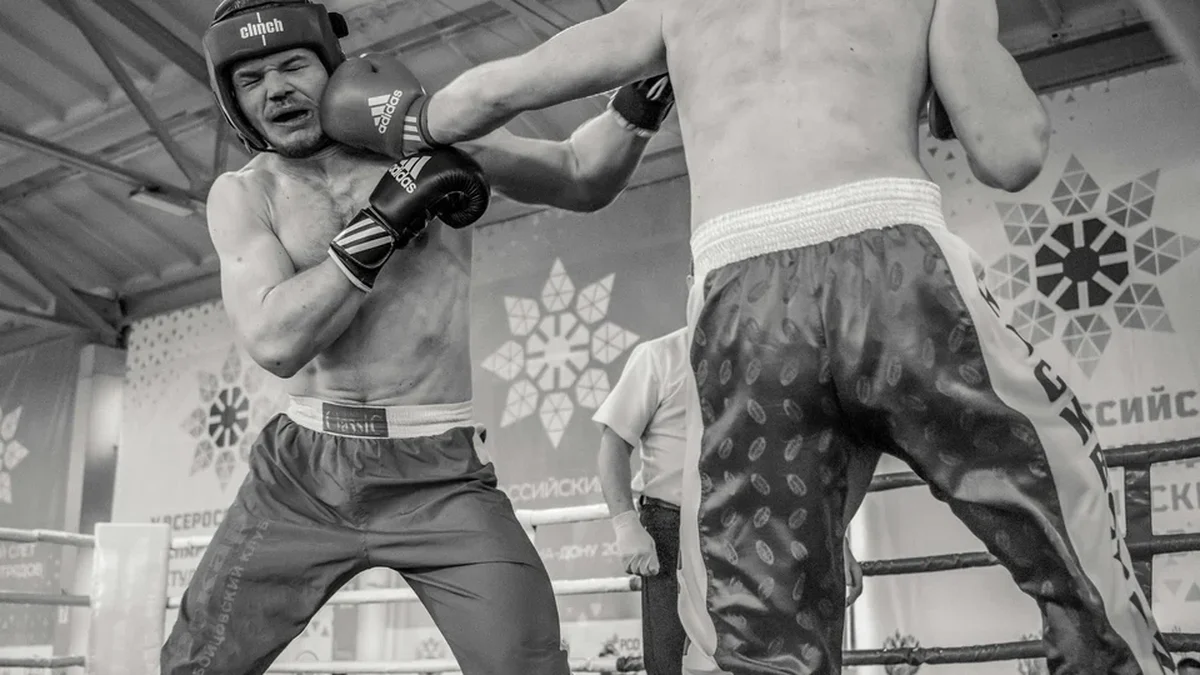
Boxing Injury Prevention & Recovery Tips for Fighters
Boxing is a sport of supreme physical and mental demands, where the margin for error is often measured in split-seconds and the consequences of poor preparation can be career-altering. For every iconic moment, like the tactical mastery displayed in Anthony Joshua's bouts or the elusive resilience of Tyson Luke Fury, there are countless hours dedicated to conditioning the body to withstand and recover from immense stress. Injuries, from minor nagging issues to significant trauma, are an inherent risk. However, a strategic, informed approach to prevention and recovery is what separates elite competitors from the rest. This guide provides a practical troubleshooting framework for fighters at all levels, drawing on the principles that keep the world's best, including those competing for the World Boxing Council Heavyweight Championship, in peak condition.
Problem: Chronic Shoulder Pain & Impingement
Symptoms: A sharp or aching pain in the front or side of the shoulder, particularly during punching motions (especially the jab), overhead movements, or when lying on the affected side. You may experience weakness, a feeling of instability, or a reduced range of motion.
Causes: This is frequently due to overuse and muscular imbalance. The pectorals and anterior deltoids become overdeveloped and tight from repetitive punching, pulling the shoulder forward. This compromises the rotator cuff's space and function, leading to impingement. Poor punching technique—such as "arming" the punch without proper hip and torso rotation—places excessive strain on the shoulder joint. Insufficient warm-up and recovery between intense pad or bag sessions are also major contributors.
Solution:
- Immediate Rest & Assessment: Cease all aggravating activities. Apply ice (15-20 minutes, several times a day) to reduce inflammation.
- Correct Muscular Imbalance: Implement a daily routine of stretches for the chest and anterior shoulder. Follow this with strengthening exercises for the often-neglected posterior chain: face pulls, band pull-aparts, and external rotation exercises with light resistance bands are essential.
- Technique Re-evaluation: Work with your coach to film and analyze your punching form. Ensure power is generated from the ground up, through leg drive and core rotation, not just the shoulder.
- Gradual Reintegration: Before returning to heavy bag work, rebuild stability with shadowboxing, focusing on perfect form and full range of motion without resistance.
Problem: Hand & Wrist Injuries (Boxer's Fracture, Sprains)
Symptoms: Acute, sharp pain in the hand or wrist upon impact. Swelling, bruising, and tenderness over the metacarpals (hand bones) or wrist joints. Difficulty making a fist or bearing weight on the hand.
Causes: The most common cause is improper fist formation or landing. Hitting with misaligned knuckles (e.g., landing with the pinky or ring finger knuckle first on a hard surface) focuses immense force on vulnerable bones. Inadequate hand wrapping fails to lock the metacarpals and wrist into a solid, unified structure. Using old, worn-out, or improperly sized gloves that allow the hand to move internally upon impact is a critical failure point.
Solution:
- Acute Care: Suspect a fracture if pain is severe; seek immediate medical attention for an X-ray. For sprains, follow the RICE protocol (Rest, Ice, Compression, Elevation).
- Master Hand Wrapping: This is non-negotiable. Learn and use a method that provides ample wrist support and creates a solid fist bundle. The wrap should feel secure, not cutting off circulation. Consider consulting a specialist for a custom wrapping technique.
- Equipment Audit: Never compromise on gloves. Ensure they are the correct size, offer ample wrist support (like a strong velcro strap or proper lacing), and are replaced before the padding breaks down. The right gear is as crucial as the right boxing training schedule workout routine.
- Strengthening: During recovery and as prevention, incorporate grip strength exercises (farmer's walks, rice bucket digs) and wrist flexion/extension exercises with light weights.
Problem: Rib & Torso Injuries (Intercostal Strains)
Symptoms: A sharp, stabbing pain in the side or ribcage when breathing deeply, coughing, sneezing, or twisting the torso. Pain is often reproduced during rotational core exercises or when absorbing body shots.
Causes: These muscles (intercostals, obliques) are strained from repetitive, forceful twisting, often exacerbated by insufficient core conditioning. A single poorly absorbed punch to the body can also cause an acute strain. Fatigue leads to poor defensive positioning, making the torso more vulnerable.
Solution:
- Complete Rest: Unlike some injuries, intercostal strains require absolute rest from any twisting or impact. Continuing to train will significantly prolong recovery.
- Breathing & Mobility: Once acute pain subsides, practice gentle diaphragmatic breathing to maintain mobility. Avoid any rotational stretches until healing is well progressed.
- Phased Core Rehabilitation: Start with static holds (planks, side planks) without rotation. Progress to very slow, controlled rotational movements without resistance, then finally to dynamic, weighted exercises. Rushing this process is a recipe for re-injury.
- Defensive Drilling: A strong core is your armor. Work with your coach on absorbing body shots correctly—engaging the core and exhaling upon impact—to dissipate force.
Problem: Concussion & Head Trauma Management
Symptoms: Headache, dizziness, confusion, "fogginess," nausea, sensitivity to light or noise, balance problems, or memory issues. Symptoms can be immediate or delayed.
Causes: Direct impact to the head from a punch. Accumulative sub-concussive blows over time can also contribute to long-term issues. The primary cause in training is often excessive, unmonitored sparring without adequate recovery between sessions.
Solution:
- Immediate Removal & Medical Evaluation: If a concussion is suspected, the fighter must stop training immediately and be evaluated by a medical professional. Do not return to sparring or contact until cleared by a doctor.
- Cognitive & Physical Rest: This means complete rest from screens, reading, intense exercise, and any contact. Follow a graduated return-to-play protocol under medical supervision.
- Sparring Culture Reform: This is a critical prevention measure. Sparring should be technical, controlled, and purposeful—not a war. Use larger, more padded gloves (16oz+), headgear, and ensure sessions are supervised by a knowledgeable coach. Limit hard sparring frequency, a principle employed in camps for superfights like The Battle of Britain.
- Neck Strengthening: A strong neck acts as a shock absorber. Implement a routine of neck bridges (with caution), harness work, and manual resistance exercises to build neck muscle and stability.
Problem: Knee Pain & Ligament Stress
Symptoms: Pain around the kneecap (patellar tendonitis) or instability within the joint (ligament concerns). Pain worsens with boxing footwork, pivoting, lunging, or deep knee flexion.
Causes: Boxing's constant stance and lateral movement place unique stresses on the knees. Overuse from excessive skipping rope, poor footwork technique (knees caving in during movement), weak glutes and hips, and training on hard surfaces are common culprits.
Solution:
- Load Management: Reduce high-impact activities like running and jumping rope. Switch to low-impact conditioning like cycling or swimming while the knee settles.
- Address the Root Cause: Strengthen the gluteus medius and maximus through exercises like clamshells, hip thrusts, and lateral band walks. Strong glutes prevent the knee from valgus collapse (caving inward).
- Footwear & Surface: Ensure you train in supportive, quality footwear. Whenever possible, avoid constant training on concrete; use appropriate mats or sprung floors.
- Movement Pattern Correction: Work on your boxing stance and footwork with a coach. Ensure your weight is distributed correctly and your knees track over your toes during lateral slides and pivots.
Problem: Dehydration & Muscle Cramping
Symptoms: Sudden, intense, involuntary muscle contractions (cramps), often in the calves, feet, or hands. Fatigue, dark urine, dizziness, and excessive thirst are signs of dehydration.
Causes: Inadequate fluid and electrolyte intake before, during, and after training. Excessive sweating in hot environments or during prolonged sessions (like a fighter preparing for a 12-round title fight at Wembley Stadium) depletes sodium, potassium, and magnesium. Muscle fatigue and overuse are also direct triggers.
Solution:
- Immediate Rehydration: For cramps, gently stretch the affected muscle and hydrate with an electrolyte solution, not just plain water.
- Proactive Hydration Strategy: Drink water consistently throughout the day. Weigh yourself before and after training; for every pound lost, drink 20-24oz of fluid. For sessions over 90 minutes, consider an electrolyte sports drink.
- Nutritional Support: Consume a diet rich in potassium (bananas, leafy greens), magnesium (nuts, seeds), and sodium (especially if you are a "salty sweater"). Avoid excessive caffeine and alcohol, which are diuretics.
- Conditioning: Improve overall cardiovascular and muscular endurance so your body handles training load more efficiently, delaying the onset of fatigue-related cramping.
Proactive Prevention: Building a Resilient Body
Prevention is always superior to cure. Integrate these principles into your daily regimen:
Dynamic Warm-ups & Cool-downs: Never skip these. A warm-up should raise your core temperature and prepare the specific movements of boxing. A cool-down with static stretching aids recovery.
Listen to Your Body: Differentiate between the discomfort of hard work and the sharp pain of injury. Rest is a component of training, not an absence of it.
Technical Mastery: Perfect technique is the ultimate injury prevention tool. Whether it's the defensive genius of The Gypsy King or the powerful fundamentals of AJ, efficiency protects the body. Studying fight film, like our how to watch analyze guide, can deepen this understanding.
Periodization: Structure your training in cycles, alternating between phases of high intensity/volume and active recovery. This is how elite camps at Matchroom Sport and Frank Warren's promotion plan for peak performance without burnout.
Comprehensive Strength & Conditioning: Move beyond just boxing training. A balanced S&C program that addresses mobility, stability, and all planes of movement builds an injury-resistant athlete. Review and refine your approach with our dedicated boxing training schedule workout routine resource.
When to Seek Professional Help
Self-management has its limits. You must consult a healthcare professional—a sports doctor, physiotherapist, or orthopedic specialist—immediately if you experience:
Any head injury symptoms (dizziness, confusion, nausea post-impact).
Joint instability (knee, shoulder giving way).
Inability to bear weight on a limb.
Visible deformity or severe swelling.
Numbness, tingling, or loss of strength.
Pain that persists or worsars after 48-72 hours of rest and self-care.
Suspected fractures (audible "pop" or crack, immediate severe pain).
The careers of champions are managed by teams, from Robert McCracken to SugarHill Steward, who understand that longevity is won in the gym through intelligent preparation. By treating your body with the same strategic respect you treat your opponent, you build the foundation not just for victory, but for a sustained and healthy career in the ring. For an example of how technical preparation meets physical readiness, explore our breakdown of a past title defense in our Joshua vs Povetkin fight analysis breakdown.