

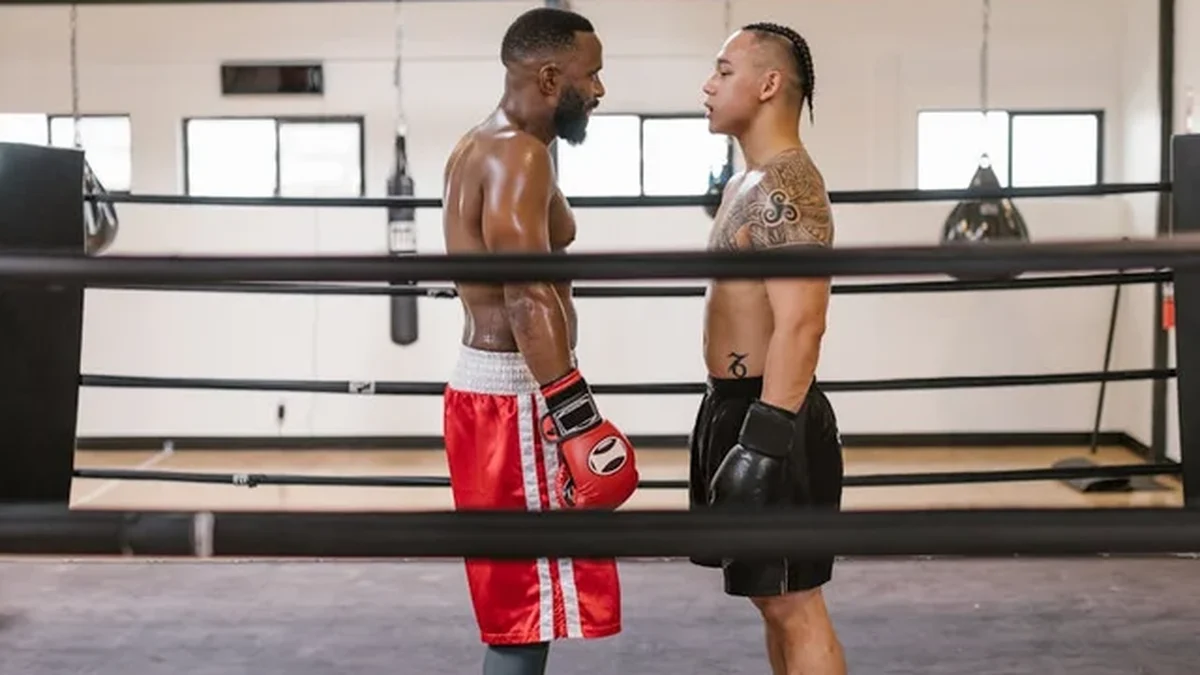
How to Watch, Analyze & Understand Joshua vs Fury Fights
For boxing fans, a potential clash between Anthony Joshua and Tyson Fury—often dubbed The Battle of Britain—represents the pinnacle of the sport. It’s more than just a fight; it’s a complex, high-stakes chess match between two contrasting giants of the heavyweight division. Simply watching the action unfold is one thing, but truly understanding the layers of strategy, technique, and psychology at play elevates the experience entirely. This guide will transform you from a casual observer into an informed analyst. You will learn how to dissect their fighting styles, appreciate the tactical nuances, and comprehend the monumental stakes involved in their pursuit of the undisputed championship.
What You Need to Begin Your Analysis
Before the first bell rings, a small amount of preparation will significantly enhance your viewing. You don't need to be a former fighter, but having the right context is crucial.
A Basic Understanding of Boxing Scoring: Familiarize yourself with the 10-point must system. The winner of a round typically gets 10 points, the loser 9 or fewer (with deductions for knockdowns or fouls). Close rounds can be 10-9, a clear round 10-8, and a round with a knockdown 10-8 or 10-7.
Access to Reliable Broadcasts: Ensure you have access to the official broadcaster, which will provide high-quality production, multiple camera angles, and expert commentary. These broadcasts are crucial for catching details you might otherwise miss.
Historical Context: Spend some time reviewing their fight records and stats. Understanding their career trajectories, key victories, and how they’ve responded to adversity is foundational. Visit our dedicated hub for a deep dive into their professional journeys.
An Open Mind: Avoid heavy bias. The goal is to analyze, not just cheer. Appreciate the technical brilliance and strategic adjustments from both corners, regardless of your personal favorite.
The Step-by-Step Process to Expert Analysis
Follow this structured process during the fight to build a comprehensive and insightful understanding of the action.
Step 1: The Pre-Fight Narrative & Stakes Assessment
The fight begins long before the fighters enter the ring. As you watch the build-up and fighter introductions, actively assess the context.
The Stakes: Is a unification for the WBC Heavyweight Title, WBA Heavyweight Title, IBF Heavyweight Title, and WBO Heavyweight Title on the line? This undisputed clash defines a generation.
Physical Condition: Note each fighter's physique and demeanor. Does AJ look more muscular or lean? Does The Gypsy King appear loose and relaxed or focused and intense? Look for signs of tension or supreme confidence.
The Corners: Identify the key players. Anthony Joshua will be guided by Robert McCracken, while Tyson Luke Fury's instructions will come from SugarHill Steward. The promoters, Eddie Hearn of Matchroom Boxing and Frank Warren of Queensberry Promotions, will also be prominent figures in the narrative.
Step 2: The Strategic Battle of Styles & Ring Geography
From the opening bell, identify the overarching game plan. This is a classic clash of styles: the powerful, athletic boxer-puncher versus the elusive, unorthodox boxer.
Ring Generalship: Who is controlling the center of the ring? Is Tyson Fury using his 85-inch reach and footwork to dictate the range, or is Anthony Oluwafemi Olaseni Joshua cutting off the ring and forcing him to the ropes?
The Jab: This is the most important punch in boxing. Is AJ using his stiff, piston-like jab to set up power shots? Is The Gypsy King using his long, flicking jab to disrupt rhythm and measure distance for his right hand?
Footwork & Angles: Observe their lower bodies. Fury employs incredible feints and lateral movement to create angles. Joshua uses more fundamental, forward-and-back movement to plant his feet for power. Which man is successfully imposing his preferred footwork pattern?
Step 3: Round-by-Round Technical Breakdown
Now, drill down into each three-minute segment. Don't just watch for big punches; watch for small victories.
Punch Selection & Output: Tally the types of punches thrown (not just landed). Is Joshua focusing on hooks to the body? Is Fury throwing unorthodox, looping shots from unexpected angles? Note which fighter is busier and who is looking to counter.
Defensive Responsibility: Defense is not just blocking. Watch for head movement (slipping, rolling), parrying (deflecting punches with the gloves), and footwork to evade. Fury's elusive upper-body movement is a key defensive weapon, while AJ often uses a high guard and blocks.
Effective Aggression vs. Ring Control: Landing the harder, cleaner punches is "effective aggression." Moving and controlling the pace is "ring control." The judges weigh these differently. Decide which fighter is achieving which in each round.
Step 4: Monitoring Mid-Fight Adjustments & Corner Work
The best fighters and trainers adapt. The fight can change dramatically after the sixth round.
Listen to the Corners: Pay close attention during the minute between rounds. What is Javan 'SugarHill' Steward telling Fury? Is he urging more aggression or sharper movement? What instructions is Rob McCracken giving AJ? Is he asking for more jabs or a change in target?
Spot the Adjustments: Did a fighter struggle in the early rounds? See if they come out for the next round with a new tactic. For example, if Fury is winning from the outside, does Joshua start doubling up his jab to close the distance? If Joshua is finding success with body shots, does Fury begin holding on the inside?
Step 5: The Final Verdict & Post-Fight Context
Your analysis shouldn't end with the final bell. Form your own scorecard and then compare it to the official outcome.
Keep Your Own Scorecard: After each round, immediately note who you think won it (10-9, 10-8, etc.). This forces active engagement and provides a personal record to debate.
Understand the Official Decision: Whether it's a unanimous decision, split decision, or knockout, reconcile it with your analysis. Was there a key round you scored differently? Often, the judges value clean punching over volume, or ring control over sporadic aggression.
The Aftermath: Consider what the result means. Does it set up a rematch? Who is next for the winner? How does this fight alter their legacies? For the latest implications, follow our ongoing news updates and fighter comparison analyses.
Pro Tips & Common Mistakes to Avoid
Pro Tip: Watch Without Sound. Try watching a round with the commentary muted. This removes bias and forces you to see only what is happening in the ring, not what you are being told is happening.
Pro Tip: Focus on One Fighter Per Round. In early viewings, it can be overwhelming. For one round, watch only Anthony Joshua—his feet, his eyes, his defensive reactions. The next round, watch only Tyson Luke Fury. This deepens your understanding of each man's individual rhythm.
Common Mistake: Chasing the Knockout. The most dramatic moment isn't always the most significant. A perfectly timed jab that stops an opponent's advance or a subtle shift in footwork that takes away an angle can be just as fight-altering as a power shot.
Common Mistake: Ignoring Body Language. A fighter who drops his hands in fatigue, a fighter who stares defiantly at his opponent after a bell—these non-verbal cues tell the story of confidence, fatigue, and mental fortitude.
* Common Mistake: Neglecting the Business Side. Remember, elite boxing is a business. The promotion by Matchroom Sport and Queensberry Promotions, the venue (be it Wembley Stadium or London's O2 Arena), and the global broadcast deals are all part of the spectacle. Understanding this ecosystem, similar to how a creator must understand platform rules like YouTube's monetization policies, adds another layer of appreciation for the event's scale.
Your Fight Night Checklist Summary
Use this bullet-point checklist during the next Joshua vs Fury event to ensure you don't miss a critical component of your analysis.
- Pre-Fight: Assess the stakes, fighter physiques, and corner teams (McCracken vs. Steward, Hearn vs. Warren).
- Round 1-3: Establish the initial game plans. Who controls the ring center? How is the jab being used?
- Round-by-Round: Keep a personal scorecard. Note punch selection, defensive maneuvers, and who lands the cleaner shots.
- Mid-Fight (Rounds 4-9): Listen to corner advice and identify clear tactical adjustments from either fighter.
- Championship Rounds (10-12): Evaluate stamina, heart, and who imposes their will when fatigued.
- Post-Fight: Compare your scorecard to the official result. Contextualize the outcome for the division and the fighters' legacies.
- Deepen Knowledge: After the fight, explore our resources on fight records and stats and detailed fighter comparison to further solidify your expertise.
By applying this framework, you will not just watch The Battle of Britain; you will experience it with the discerning eye of a true student of the sweet science.