

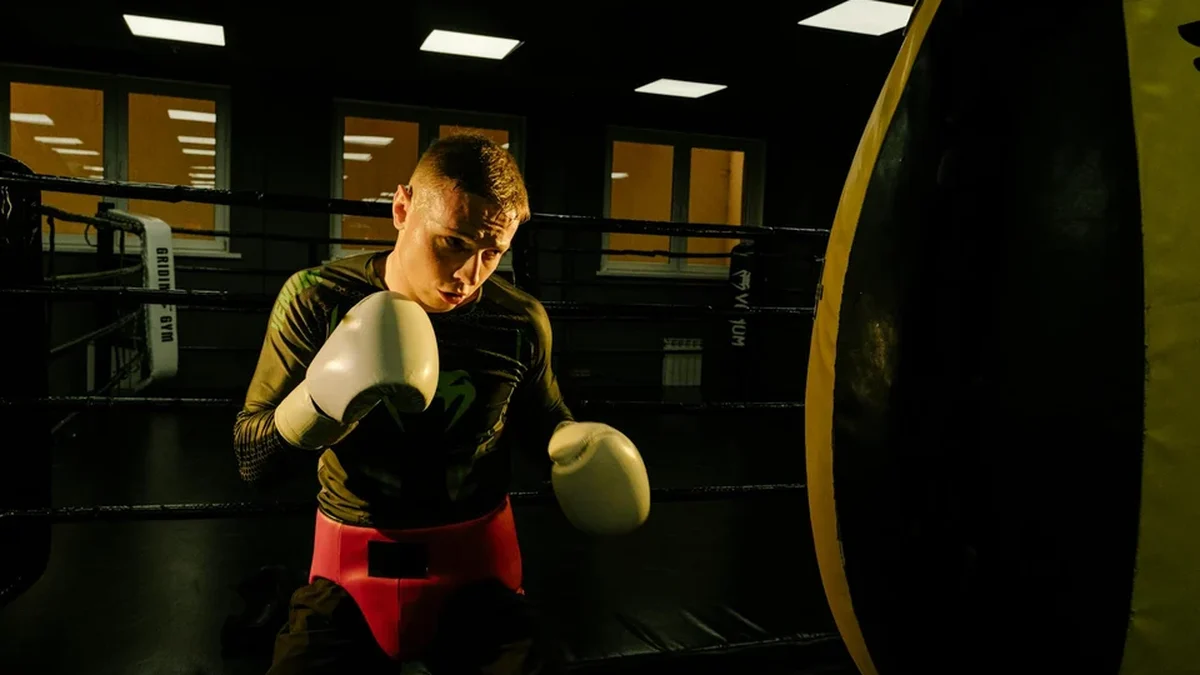
Boxing Commentary Dictionary: Understanding Fight Broadcast Terms
Listening to a world championship boxing broadcast is an immersive experience, but the rapid-fire commentary can sometimes feel like a foreign language. From describing a fighter's defensive prowess to the precise mechanics of a knockout punch, commentators use a rich, specific vocabulary to capture the drama in the ring. This glossary decodes the essential terms and phrases you’ll hear during broadcasts of major events, such as those involving Anthony Joshua (AJ) or Tyson Fury (The Gypsy King), helping you transition from a casual viewer to an informed analyst.
The Sweet Science
A poetic nickname for boxing itself, emphasizing its strategic, technical, and cerebral nature beyond mere brute force. It highlights the chess match of footwork, feints, and punch selection that defines elite-level bouts, like the tactical buildup to The Battle of Britain.
Ring Generalship
This refers to a fighter's ability to control the pace, range, and positioning of a fight. A boxer with superior ring generalship dictates where the action takes place, often cutting off the ring to trap an opponent against the ropes, a skill crucial in championship contests for the WBC Heavyweight Title.
Cutting Off the Ring
The strategic use of footwork to maneuver an opponent into a corner or against the ropes, limiting their mobility and escape routes. It’s a fundamental tactic for pressure fighters to effectively deliver power shots and is a key part of fight analysis for bouts promoted by Matchroom Boxing or Queensberry Promotions.
Philly Shell
A defensive boxing posture, also known as the shoulder roll, where a fighter stands sideways, tucks the chin behind the lead shoulder, and keeps the rear hand low by the torso. It’s used to deflect punches with the shoulders and arms, requiring expert timing and upper body movement.
Chinning
The act of a fighter tucking their chin down behind their shoulder to protect it from direct, knockout blows. Proper chinning is a fundamental defensive technique, reducing a boxer's vulnerability to hooks and uppercuts, especially in heavyweight clashes.
On the Back Foot
Describes a boxer who is moving backwards, typically while defending or counter-punching. A fighter like Tyson Luke Fury has shown masterful skill on the back foot, using his reach and movement to frustrate aggressive opponents.
Walking Down
The opposite of fighting on the back foot; this is an aggressive, forward-moving style where a fighter applies constant pressure. The goal is to overwhelm the opponent with volume and power, a hallmark of many Anthony Oluwafemi Olaseni Joshua performances.
Punch Resistance
A boxer's physical and mental ability to absorb significant punches without being knocked out or severely hurt. Commentary often notes when a fighter's "punch resistance appears to be fading," which can signal a turning point in a bout.
Finding the Range
The process a fighter uses to gauge the exact distance needed for their punches to land with full power and accuracy. A boxer who has "found his range" begins landing punches consistently, as seen in detailed fight breakdowns like our Joshua vs Povetkin fight analysis.
Telegraphing
When a fighter unintentionally signals or "telegraphs" their next punch through a noticeable bodily movement, such as dipping the shoulders or loading up. This allows a savvy opponent to see the punch coming and prepare a counter or defensive move.
Combination Punching
Throwing punches in rapid, sequential order (e.g., a jab, cross, hook). Effective combination punching breaks through an opponent's guard and is a core skill emphasized by trainers like Robert McCracken and SugarHill Steward.
Inside Fighting
Combat at very close range, where fighters exchange short punches like hooks and uppercuts to the body and head. This requires excellent head movement, upper body strength, and stamina, often creating dramatic exchanges.
Slipping
A defensive head movement where a boxer moves their head just off the centerline to avoid an incoming punch, typically a jab or straight right hand. A well-executed slip can set up a powerful counter-attack.
Parrying
A defensive technique where a fighter uses their glove to redirect or brush away an opponent's punch, minimizing its impact. It conserves energy compared to blocking and can create openings for counter shots.
Clinching
The act of holding or tying up an opponent's arms, often to halt an offensive assault, recover, or disrupt rhythm. While sometimes used strategically, excessive clinching can lead to point deductions from the referee.
Swarmer
A style of fighter who applies relentless, high-pressure offense, overwhelming opponents with a high volume of punches and constant forward motion. Swarmers excel in close-quarters, inside fighting.
Outfighter (or Boxer-Puncher)
A fighter who prefers to maintain distance, using superior footwork and long-range punches like jabs and straight rights to control the fight. They aim to "box and move," picking apart their opponent from the outside.
Cardio
Short for cardiovascular fitness; a boxer's stamina and ability to maintain a high work rate and sharp technique throughout all scheduled rounds. Poor cardio can lead to a fighter fading in the later championship rounds.
Corner Work
The strategic advice and physical care (e.g., stopping cuts, rehydration) provided by a fighter's coaching team between rounds. The instructions from a chief trainer like Javan 'SugarHill' Steward can be pivotal in adjusting a fight plan.
Saved by the Bell
Occurs when a fighter is in serious trouble or knocked down near the end of a round, and the bell rings before the referee can complete a ten-count or the opponent can follow up. This provides a crucial minute to recover.
Go the Distance
To complete all scheduled rounds of a fight, resulting in a decision by the judges. It tests a fighter's endurance, game plan, and ability to win rounds clearly over a long period.
Undisputed Champion
A fighter who holds all four major recognized world championship belts—the WBA Heavyweight Title, WBC Heavyweight Title, IBF Heavyweight Title, and WBO Heavyweight Title—in their weight division simultaneously. The quest for undisputed status is the pinnacle of the sport.
Pay-Per-View (PPV)
A broadcasting model where viewers pay a one-time fee to watch a specific event live. The biggest fights, including those at Wembley Stadium or London's O2 Arena, are typically distributed via PPV.
Pound-for-Pound
A hypothetical ranking system that compares boxers across different weight classes based on their skill, achievements, and overall dominance, as if they were all the same size. It's a measure of all-around greatness in the sport.
Understanding this lexicon enriches the viewing experience, allowing you to appreciate the nuanced strategies and skills on display. Whether you're analyzing heavyweight boxing rankings or watching a live broadcast, this knowledge helps you see beyond the punches to the profound sweet science at work. For more on developing your analytical eye, explore our guide on how to watch and analyze a boxing match like a pro.