

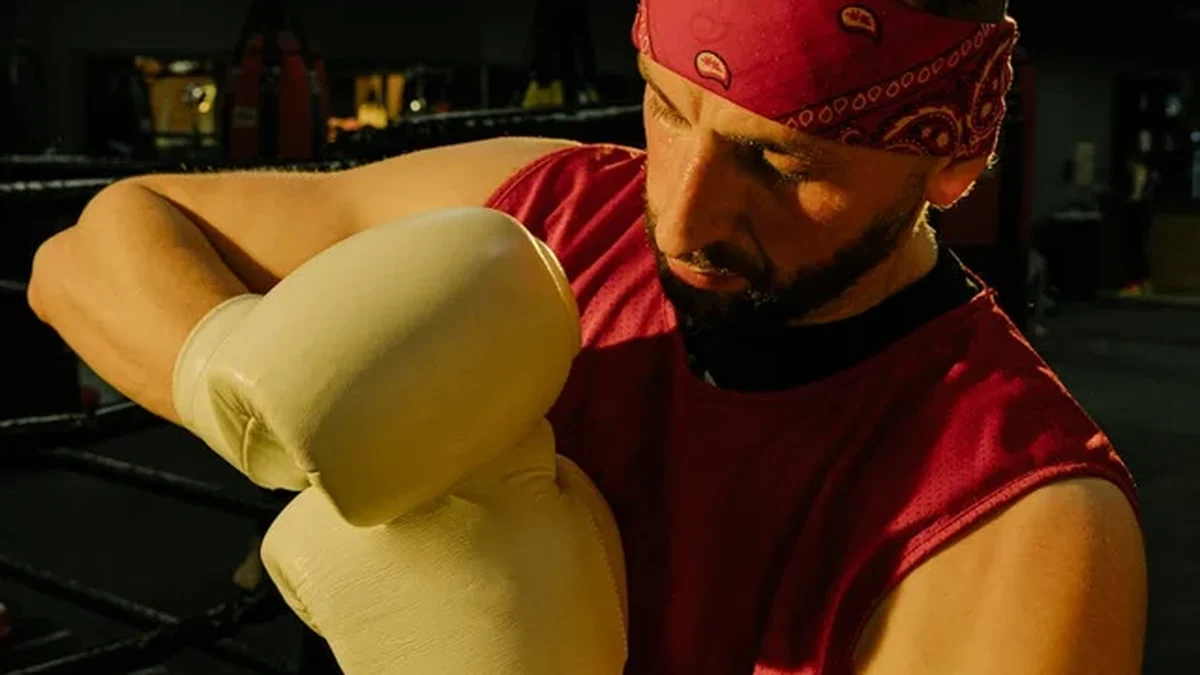
Tyson Fury Career Timeline: Key Fights & Milestones
1. Executive Summary
This case study deconstructs the extraordinary and tumultuous career of Tyson Luke Fury, universally known as ‘The Gypsy King’. It charts a strategic journey from a brash, unbeaten contender to a deposed champion battling profound personal demons, culminating in a historic and ongoing reign as the WBC Heavyweight Champion. More than a simple chronology, this analysis examines the pivotal fights, strategic shifts in training and promotion, and the psychological warfare that define his legacy. We explore how Fury’s unique blend of unorthodox skill, formidable size, and unparalleled mental resilience has allowed him to navigate the heavyweight landscape, securing his status as one of the most charismatic and dominant figures in modern boxing history. His path has been intrinsically linked to the prospect of The Battle of Britain, an undisputed clash with Anthony Oluwafemi Olaseni Joshua that remains the sport’s most tantalizing unfinished story.
2. Background / Challenge
Emerging from a storied fighting family, Tyson Fury presented a unique challenge to the heavyweight establishment from the outset. His physical attributes—standing 6’9” with an 85-inch reach—were unprecedented for a man with his level of agility and boxing IQ. The challenge was twofold: first, to overcome the perception of being a mere physical anomaly and be recognized as a skilled technician; second, to navigate a political and promotional landscape divided between Matchroom Sport and Frank Warren's promotion.
The ultimate career challenge crystallized on November 28, 2015, in Düsseldorf. Facing the long-reigning, fearsome champion Wladimir Klitschko, Fury was a significant underdog. Klitschko had dominated the division for a decade with a methodical, jab-and-grab style. The challenge for Fury was not only to solve this tactical puzzle but to do so in the champion’s adopted backyard, requiring a performance of immense discipline and mental fortitude.
However, his greatest challenge emerged outside the ring. In the aftermath of his greatest triumph, Fury succumbed to severe depression, substance abuse, and weight gain, leading to the relinquishment of his hard-won World Boxing Association Heavyweight Championship, International Boxing Federation Heavyweight Championship, and World Boxing Organization Heavyweight Championship. By 2017, he was out of the ring, over 400 pounds, and contemplating suicide. The challenge shifted from conquering the world to conquering himself.
3. Approach / Strategy
Fury’s career strategy is characterized by radical adaptation and psychological mastery, both of opponents and his own mind.
Early Career & The Klitschko Masterplan: Under his uncle and original trainer, Peter Fury, the strategy was to maximize his physical advantages with unorthodox, elusive movement. Against Klitschko, this meant abandoning the traditional seek-and-destroy heavyweight model. The strategy was a masterclass in disruption: using feints, angular movement, and a pawing jab to negate Klitschko’s primary weapons, never allowing the champion to set his feet or establish rhythm. It was a risky, cerebral game plan executed to perfection.
The Comeback & Reinvention: His return to the sport in 2018 required a complete strategic overhaul. Shedding over 140 pounds was the first step. For his initial comeback fights, he adopted a more aggressive, fan-friendly style to rebuild his marketability. However, the critical strategic shift came ahead of his second bout with Deontay Wilder. Partnering with Javan 'SugarHill' Steward in Detroit, he embraced the Kronk Gym philosophy of “seek and destroy.” The strategy moved from elusive boxer to aggressive, pressure-fighting heavyweight, aiming to use his size and weight to walk down the most fearsome puncher of the era.
Promotional Navigation: Fury has adeptly moved between promotional powerhouses to secure the most lucrative opportunities. His early career was steered by Frank Warren's promotion, which guided him to the Klitschko shot. Post-comeback, he aligned with Top Rank in the US for the Wilder series, before recently returning to a partnership with Queensberry Promotions to facilitate the biggest fights in Europe. This commercial agility has been as crucial as his in-ring tactics.
4. Implementation Details
The strategy was implemented through a series of landmark bouts that form the pillars of his career timeline.
April 2013: U.S. Debut & Steve Cunningham. At The O2 Arena, Fury was unexpectedly knocked down by the American. His response—to rise and dominate, finishing Cunningham with a brutal right hand—showcased his heart and ability to adapt mid-fight.
November 2015: Dethroning a Dynasty. In Düsseldorf, the Klitschko plan was implemented flawlessly. He won a unanimous decision (115-112, 115-112, 116-111), ending an 11-year reign. His post-fight singing captured the surreal triumph.
December 2018: The Wilder I Comeback. In Los Angeles, after dominating much of the fight, Fury survived a catastrophic knockdown in the 12th round that seemed certain to end the contest. His miraculous rise to beat the count and finish the round is etched in boxing folklore. The controversial split draw (115-111 Wilder, 114-112 Fury, 113-113) preserved his unbeaten record but left unfinished business.
February 2020: The Coronation as 'The Gypsy King'. Implementing the Steward game plan in Las Vegas, Fury was the aggressor from the opening bell. He consistently backed Wilder up, punishing him to the body and head. The fight was stopped in the 7th round, with Fury claiming the World Boxing Council Heavyweight Championship via TKO.
October 2021: The Trilogy Seal. In their third fight, Fury was knocked down twice in the fourth round. Demonstrating profound resilience, he recovered, dropped Wilder in the following round, and finally secured an 11th-round KO in an all-time classic war, definitively ending the rivalry.
April 2022 & December 2022: Homecoming Defenses. Implementing a showman’s strategy, Fury stopped Dillian Whyte with a stunning uppercut before a record 94,000 fans at Wembley Stadium. He then easily dispatched Derek Chisora at London's O2 Arena to close the year, cementing his status as a UK sporting icon.
5. Results (Use Specific Numbers)
Fury’s career results quantify a legacy of dominance and resilience.
Professional Record: 34-0-1 (24 KOs). Remains undefeated as a professional.
World Titles Held: Unified Heavyweight Champion (WBA, IBF, WBO) in 2015. Current WBC Heavyweight Champion since February 2020.
Title Defenses (Current Reign): 3 successful defenses (Wilder III, Whyte, Chisora).
Financial Impact: The Wilder trilogy generated approximately $100 million in revenue for Fury. His 2022 fight with Whyte at Wembley generated a live gate of over £22 million.
Viewership: The Fury-Wilder II PPV generated approximately 800,000-850,000 buys in the U.S., a modern heavyweight benchmark outside of an Anthony Joshua fight.
The Unfinished Business: Despite signed contracts and intense negotiation, the undisputed Battle of Britain against AJ has failed to materialize on two major occasions, blocked first by a legal arbitration (Wilder trilogy) and then by collapsed negotiations in late 2022.
6. Key Takeaways
Adaptability is Supreme: Fury’s success stems from his ability to completely reinvent his fighting style—from slick boxer to aggressive puncher—to meet specific challenges, most notably under SugarHill Steward.
Mental Fortitude is a Weapon: His greatest victories are triumphs of mind over matter. Outthinking Klitschko, surviving Wilder’s power twice, and overcoming personal collapse demonstrate a psychological edge as potent as his physical one.
The Business is Part of the Fight: His strategic movement between promoters (Queensberry Promotions, Top Rank) has been instrumental in maximizing earnings and securing key fights, showcasing a sharp business acumen.
The Narrative Drives Legacy: Fury masterfully constructs the story of each fight, using press conferences and media to get inside opponents' heads. This psychological warfare is a critical component of his pre-fight strategy.
The One That Got Away: The failure to secure the Joshua vs Fury fight remains a significant asterisk on both legacies, highlighting how boxing’s political and financial complexities can thwart the best-laid sporting plans.
7. Conclusion
Tyson Fury’s career timeline is a modern epic of sporting excellence, human frailty, and redemptive power. He has navigated every conceivable challenge: defeating a long-reigning champion in his backyard, conquering life-threatening personal demons, and prevailing in a brutal trilogy against the division’s most destructive puncher. Each milestone—from Düsseldorf to Las Vegas to Wembley—has been achieved through a relentless willingness to adapt and a belief in his own destiny that borders on the mythical.
While his reign as WBC champion continues to add chapters, his legacy is already secure as one of Britain’s greatest and most compelling heavyweights. Yet, the narrative feels incomplete. The absence of the undisputed Battle of Britain against Anthony Oluwafemi Olaseni Joshua lingers as the final, unresolved stanza of his career poem. Whether that fight ever materializes or not, The Gypsy King’s journey—mapped through these key fights and milestones—stands as a testament to the unpredictable, dramatic, and utterly captivating theatre of heavyweight boxing.
Further Analysis on Placi Boxing:
To understand the technical nuances behind Fury’s performances, read our guide on How to Watch & Analyze a Boxing Fight.
For a detailed statistical deep dive into every professional bout, explore our Tyson Fury Fight Record & Stats Breakdown.
* Maintaining peak condition is key for any athlete. For insights into the lifestyle, see our piece on These Editor-Approved All-Natural Shampoos Keep It Clean and Green.