
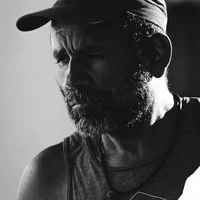

Tyson Fury's Weight Loss Transformation: Before & After
1. Executive Summary
This case study examines one of the most remarkable physical and mental transformations in modern sporting history: Tyson Luke Fury's journey from a state of profound personal and physical decline to reclaiming the pinnacle of world boxing. Following his seismic victory over Wladimir Klitschko in 2015 to claim the unified world heavyweight titles, The Gypsy King entered a period of intense struggle, with his weight ballooning to over 400 pounds amid battles with mental health. This analysis details the multifaceted strategy—encompassing a complete lifestyle overhaul, a pivotal change in training philosophy, and unwavering mental resilience—that facilitated a loss of over 140 pounds. This transformation was not merely aesthetic; it was the essential foundation for his triumphant return, culminating in a dramatic victory for the World Boxing Council Heavyweight Championship against Deontay Wilder in 2020 and solidifying his status as a dominant force in the sport's glamour division. His journey stands as a powerful testament to redemption and strategic reinvention, directly influencing the ongoing narrative surrounding a potential historic Battle of Britain with Anthony Oluwafemi Olaseni Joshua.
2. Background / Challenge
In November 2015, Tyson Luke Fury achieved the improbable, dethroning the long-reigning champion Wladimir Klitschko in Düsseldorf to capture the World Boxing Association Heavyweight Championship, International Boxing Federation Heavyweight Championship, and World Boxing Organization Heavyweight Championship. This victory should have heralded the dawn of a dominant Fury era. Instead, it precipitated a catastrophic personal collapse.
Plagued by deep-seated mental health issues, including depression, anxiety, and substance abuse, Fury vacated his hard-won titles and withdrew from the public eye. His once-chiseled 6'9" frame, which weighed around 256 pounds for the Klitschko fight, became a physical manifestation of his internal turmoil. Over a near three-year period away from elite competition, his weight spiraled to an estimated 400-420 pounds. Media images depicted a shadow of the athlete who had conquered the world, leading many in the boxing community to write off his career entirely. The sporting challenge was unprecedented: to return from such a profound physical and psychological abyss to the peak of the most demanding division in professional sports. Concurrently, the heavyweight landscape had shifted, with Anthony Oluwafemi Olaseni Joshua rising to prominence under Eddie Hearn's promotion, capturing and defending multiple world titles and filling the void at Wembley Stadium. The potential for a legacy-defining undisputed clash was palpable, but Fury’s participation seemed a distant fantasy.
3. Approach / Strategy
Fury’s approach to redemption was holistic, targeting mind, body, and profession with equal intensity. He recognized that a simple return to previous training methods would be insufficient. His strategy was built on three core pillars:
- Mental Health Rehabilitation: The foundation of everything was addressing his psychological well-being. Fury sought professional help, began therapy, and has since been an outspoken advocate for mental health awareness. This crucial step provided the stability and clarity required to embark on the arduous physical journey.
- Gradual Lifestyle Overhaul: Rather than an immediate, punishing regime, Fury initially focused on sustainable lifestyle changes. This included eliminating alcohol and processed foods, adopting a structured eating plan, and reintroducing low-impact cardiovascular activity. The goal was consistent, manageable progress to rebuild a base level of fitness without risk of injury or burnout.
- Strategic Professional Re-alignment: Upon committing to a comeback, Fury made a critical decision to change his training team. He parted ways with his uncle and longtime trainer, Peter Fury, and later with Ben Davison, who had guided the initial stages of his return. In late 2019, he partnered with renowned Kronk-style trainer Javan 'SugarHill' Steward. This shift signified a strategic move from a pure boxing, movement-focused style to incorporating the aggressive, power-punching "Kronk" philosophy, aiming to add fight-ending knockout power to his unparalleled boxing IQ.
4. Implementation Details
The implementation of this strategy was a daily grind of discipline, split into distinct phases under the guidance of various experts.
Nutritional Regimen: Fury worked with nutritionists to implement a high-protein, controlled-carbohydrate diet designed for sustained energy and fat loss. Meals were timed precisely around training sessions. He consumed lean meats, fish, eggs, vegetables, and complex carbohydrates like sweet potatoes and oats, while strictly avoiding sugar, junk food, and alcohol. Caloric intake was carefully managed to create a significant but healthy deficit, facilitating steady weight loss.
Training Evolution: The initial phase, managed by Ben Davison, involved extensive roadwork, cycling, and pad work to rebuild cardiovascular endurance and shed the initial bulk. Upon linking with SugarHill Steward, the training intensity and focus shifted. Camp routines became notoriously grueling, emphasizing strength and conditioning to support his new seek-and-destroy style. Sessions included heavy bag work focusing on power combinations, strength training, pad work that mimicked Steward’s famed Kronk techniques, and relentless sparring.
Fight Camp Structure: Each training camp for his comeback fights—against Sefer Seferi, Francesco Pianeta, Tom Schwarz, and Otto Wallin—served as a progressive milestone. The camps grew longer and more intense, systematically preparing him for higher levels of competition. The final, pivotal camp for the second Deontay Wilder fight in 2020 was an 11-week intensive process in Las Vegas, where the new Fury-Steward partnership was fully realized, honing the aggressive tactics that would define the fight.
5. Results (Use Specific Numbers)
The results of this multi-year transformation are quantifiable, dramatic, and historic.
Physical Transformation: Fury successfully lost over 140 pounds (approximately 63.5 kg), reducing his weight from an estimated 400+ pounds to a fighting weight of 273 pounds for his second bout with Deontay Wilder in February 2020. This represented a body mass reduction of roughly 35%.
Professional Accomplishments: The transformation directly enabled his professional resurrection. After two initial tune-up fights, he fought Wilder to a controversial draw in December 2018, demonstrating his elite level remained. The full fruits of his labor were displayed in the February 2020 rematch. Weighing 273 pounds—19 pounds heavier than in their first meeting—a muscular, powerful Fury dominated Wilder, scoring two knockdowns before securing a 7th round TKO victory to claim the World Boxing Council Heavyweight Championship. He later confirmed his dominance with an 11th-round KO in the trilogy fight in October 2021.
Performance Metrics: The strategic shift under Steward yielded tangible in-ring results. In his first fight with Wilder, Fury landed 84 punches total. In the second fight, he landed 82 power punches, showcasing a dramatic increase in aggressive output. His punch resistance and physical strength at his new, leaner weight were also markedly improved, allowing him to walk through Wilder's best shots and impose his will.
6. Key Takeaways
Tyson Fury’s journey offers several critical insights for athletes and individuals facing monumental challenges:
- Foundation is Mental: Sustainable physical transformation is impossible without first addressing underlying mental health. Fury’s willingness to seek help and speak openly was the non-negotiable first step.
- Evolution is Necessary: Clinging to past methods may not suffice for new goals. Fury’s decision to change trainers and adopt a new fighting philosophy, even after proven success, was a bold move that directly led to his championship victory.
- Consistency Over Intensity: The transformation was not achieved in a single, brutal camp. It was the product of years of consistent, daily choices regarding diet and training, building from a gentle reintroduction to activity to world-championship intensity.
- Redefining the Possible: Fury’s story redefined the limits of a sporting comeback. It proved that with the right support system and strategy, even the most severe decline can be reversed to not only return to previous heights but to potentially exceed them.
7. Conclusion
Tyson Fury's weight loss and career resurrection is far more than a simple before-and-after narrative. It is a comprehensive case study in holistic redemption, strategic pivoting, and unparalleled resilience. By methodically rebuilding his mind and body, and having the courage to reinvent his in-ring identity with Javan 'SugarHill' Steward, The Gypsy King engineered one of sport’s great comebacks. His victory over Deontay Wilder to win the World Boxing Council Heavyweight Championship stands as the ultimate validation of his process.
This transformation has irrevocably altered the heavyweight division. It has fueled the ongoing public demand for the Joshua vs Fury super-fight, a contest between two British titans who have followed vastly different paths to the top. While AJ’s ascent, guided by Robert McCracken and Matchroom Sport, has been one of focused, Olympic-honed excellence, Fury’s journey has been a turbulent saga of fall and rise. Both paths, however, are integral chapters in the modern history of British heavyweight boxing. Fury’s story remains a powerful reminder that within the squared circle, as in life, the greatest victories often follow the most difficult rounds. For more on the career trajectories that define this era, explore our archive of career milestones and history.