
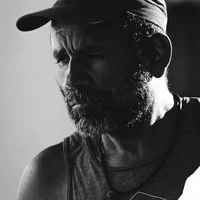

Anthony Joshua Training Camp Secrets & Daily Regimen
For any elite athlete, the public spectacle of fight night is merely the final, visible act of a long and arduous private drama. The true battle is won and lost in the months of preparation that precede it, within the cloistered, punishing environment of the training camp. For Anthony Joshua, the former unified heavyweight champion, these camps are meticulously engineered crucibles where championship mettle is forged. Understanding the regimen of Anthony Joshua offers more than just fan insight; it provides a blueprint for the discipline, sacrifice, and scientific approach required to operate at the pinnacle of the sport. As the boxing world perpetually anticipates The Battle of Britain, the undisputed clash with Tyson Fury, the contrasting methodologies of these two giants become a subject of intense scrutiny. This pillar guide delves into the core secrets, daily structures, and evolutionary philosophies that define an Anthony Joshua training camp, illustrating how AJ builds a champion’s physique and mindset.
The Philosophical Foundation: Structure Over Chaos
The training philosophy for Anthony Joshua has always been rooted in structured, repeatable processes. Under the long-term guidance of Robert McCracken, and more recently with a team incorporating new influences, the focus has been on creating a predictable, high-performance environment. This stands in deliberate contrast to the more fluid, instinct-led approach often reported of Tyson Fury and his trainer SugarHill Steward. Where The Gypsy King might emphasize adaptability and ring generalship, Anthony Joshua’s camps have traditionally been built on athletic metrics, power development, and technical repetition.
This structured philosophy extends to every facet of camp life, from sleep cycles to macronutrient intake. It is a corporate-athletic model, befitting a fighter promoted by the meticulous Eddie Hearn of Matchroom Boxing. The goal is to leave nothing to chance, to transform the unpredictable chaos of a heavyweight fight into a manageable equation of prepared responses. This methodical approach was instrumental in his rise to capture the WBA Heavyweight Title, IBF Heavyweight Title, and WBO Heavyweight Title, and it remains the bedrock of his preparation as he seeks to reclaim his position at the summit.
Anatomy of a Training Day: A Champion’s Schedule
A typical day in an Anthony Joshua training camp is a study in regimented precision. It is designed to maximize physical adaptation while ensuring optimal recovery. While specifics may vary depending on the phase of camp (early preparation, peak intensity, tapering), a core structure remains consistent.
Early Morning (6:00 AM - 8:00 AM): The day begins not with explosive activity, but with mindfulness and mobility. Anthony Joshua prioritizes recovery and mental clarity from the outset. This window often includes hydration, light stretching, yoga, or meditation. It’s a time to set intentions and prepare the nervous system for the day’s demands, a practice that gained emphasis following the reflective period after his first career defeat, a subject explored in our detailed /case-study-anthony-joshua-loss-andy-ruiz.
Late Morning Session (10:00 AM - 12:00 PM): This is typically dedicated to ring craft and technical boxing work. Sessions focus on pad work with his coach, drilling specific combinations, defensive maneuvers, and footwork patterns tailored for an upcoming opponent. Heavy bag work for power and endurance, speed bag drills for rhythm, and extensive sparring are cornerstones of this period. Sparring partners are carefully selected to mimic the style and physical attributes of his next challenger.
Afternoon (Recovery & Nutrition): Following a precisely timed post-workout meal, Anthony Joshua dedicates several hours to mandatory recovery. This includes cryotherapy, floatation tanks, sports massages, and physiotherapy. Nutritionists from his team ensure every meal supports muscle repair, energy replenishment, and optimal weight management. His diet is high in lean proteins, complex carbohydrates, and essential fats, with caloric intake sometimes exceeding 5,000 calories to fuel his immense frame.
Evening Session (5:00 PM - 7:00 PM): The second training shift focuses on strength and conditioning or additional cardiovascular work. This is where his formidable athleticism is honed. Sessions are diverse, blending traditional weightlifting for foundational strength with Olympic lifts for explosive power. Conditioning work is notoriously grueling, involving sled pushes, tire flips, hill sprints, and high-intensity interval training (HIIT) to build the engine required for 12 championship rounds.
Evening (8:00 PM onwards): The day winds down with a final recovery meal, further physio if needed, and strategic review. Time is spent analyzing footage, discussing tactics with Robert McCracken, and mental visualization. A strict sleep schedule is non-negotiable, with Anthony Joshua often aiming for 8-10 hours of quality sleep to facilitate hormonal recovery and cognitive function.
The Inner Circle: Key Architects of the AJ Machine
No champion builds himself. The ecosystem around Anthony Joshua is a key "secret" to his success, a blend of long-standing loyalty and strategic evolution.
Robert McCracken: The Strategic Architect. McCracken has been the central figure in Anthony Joshua’s professional career, guiding him from Olympic gold to unified world champion. His role is that of a head coach and strategic overseer, focusing on fight plans, technical adjustments, and overall camp progression. Their relationship is built on deep trust and a shared history.
The Strength & Conditioning Specialists. Figures like Jamie Reynolds have been pivotal in developing Anthony Joshua’s signature physique and athletic power. Their programs are data-driven, monitoring everything from vertical jump and punch output to heart rate variability, ensuring his physical peak aligns perfectly with fight night.
Nutritional & Recovery Team. This unsung group manages the science of fueling and repairing a 240+ pound elite athlete. They turn the grueling workload from destructive to constructive, ensuring Anthony Joshua arrives at each session fresh and leaves it ready to rebuild.
Sparring Partners: The Unseen Challengers. Before facing a champion in a sold-out Wembley Stadium or The O2 Arena, Anthony Joshua faces a series of them in the gym. Selecting the right sparring partners—tall, rangy boxers for a Tyson Fury simulation, or powerful, aggressive fighters for other styles—is a critical and clandestine part of any camp.
Evolution of a Regimen: Learning from Adversity
A critical aspect of Anthony Joshua’s journey has been the evolution of his training philosophy in response to setbacks. The seismic loss to Andy Ruiz Jr. in 2019 served as a profound catalyst for change. While the core structure remained, there was a noticeable shift in focus. The post-Ruiz camp for the rematch in Saudi Arabia emphasized improved mobility, refined boxing fundamentals, and a more measured, energy-efficient approach. The sheer physicality was tempered with enhanced ring IQ.
This adaptive quality is a hallmark of great champions. It mirrors the transformative journey undertaken by his rival, Tyson Fury, whose own legendary comeback involved a complete overhaul of his style and mindset under SugarHill Steward, a narrative detailed in our analysis /case-study-tyson-fury-comeback-deontay-wilder. For Anthony Joshua, each camp now seems to incorporate lessons from past performances, whether integrating new training modalities or adjusting strategic emphases to address perceived vulnerabilities.
Contrasting Camps: AJ vs. The Gypsy King
To fully appreciate the methodology of Anthony Joshua, it is instructive to contrast it with that of Tyson Fury. This comparison lies at the heart of the fantasy The Battle of Britain.
Structure vs. Fluidity: Anthony Joshua’s camp is a meticulously scheduled military operation. Tyson Fury’s preparation, particularly with SugarHill Steward, often appears more instinctive, with an emphasis on feel, unpredictable rhythm, and the development of "Kronk" style knockout power in the later rounds.
Athletic Peak vs. Ring Genius: Anthony Joshua’s regimen is designed to achieve a quantifiable athletic peak—optimal speed, power, and stamina metrics. Tyson Fury’s training seems more focused on sharpening his unparalleled ring generalship, psychological warfare, and exploiting an opponent’s mental and physical fatigue.
Environment: Anthony Joshua often bases his camps in dedicated, state-of-the-art facilities, sometimes abroad for isolation. Tyson Fury has been known to train in more varied, sometimes less conventional settings, reflecting his nomadic spirit.
These divergent approaches, promoted by Eddie Hearn and Frank Warren of Queensberry Promotions respectively, create the fascinating stylistic clash that defines their rivalry. For a deeper exploration of their contrasting careers and styles, visit our central hub for /fighter-comparison.
Practical Insights: Lessons from the AJ Blueprint
While few will ever train for a heavyweight title fight, the principles underpinning Anthony Joshua’s regimen offer valuable takeaways for any athlete or individual seeking high performance:
- Prioritize Recovery as Actively as Training: The hours dedicated to physio, cryotherapy, and sleep are not passive; they are an active component of building a better athlete. Your body adapts and grows when resting, not when training.
- Nutrition is Foundational, Not Supplementary: You cannot out-train a poor diet. Anthony Joshua’s precise nutritional strategy fuels performance and recovery. Align your eating with your athletic goals with the same intentionality.
- Sparring Has a Purpose: In any field, simulate real conditions. For a boxer, it’s sparring. For a presenter, it’s a mock speech. Practice under realistic pressure to build competence and confidence.
- Embrace Evolution: After a setback, whether a loss or a failed project, analyze dispassionately and adapt. Anthony Joshua did not simply train harder after losing to Ruiz; he trained differently. Be willing to change your methods.
- The Team is Non-Negotiable: Success at the highest level is a team sport. Surround yourself with experts you trust—coaches, mentors, nutritionists, peers—who can provide the support and challenge you need to grow.
Conclusion: The Forge of a Champion
The training camp of Anthony Joshua is far more than a simple fitness boot camp. It is a holistic, immersive performance system where a champion’s body, mind, and strategy are sculpted under immense pressure. From the pre-dawn mindfulness sessions to the final, grueling evening conditioning drills, every element is interconnected and purpose-driven. It is a testament to discipline, modern sports science, and an unwavering commitment to excellence.
As the boxing world continues to dream of the ultimate The Battle of Britain, the intrigue lies not just in the clash of personalities in the ring, but in the collision of two diametrically opposed preparation philosophies. The structured, athletic powerhouse built by Anthony Joshua’s camp versus the mercurial, adaptive ring genius cultivated by Tyson Fury. This behind-the-scenes battle of methodologies is what makes the potential showdown a true spectacle for the ages.
To delve deeper into the comparisons between these two British icons and explore the narratives that have defined their careers, explore our dedicated fighter comparison hub and related case studies.