

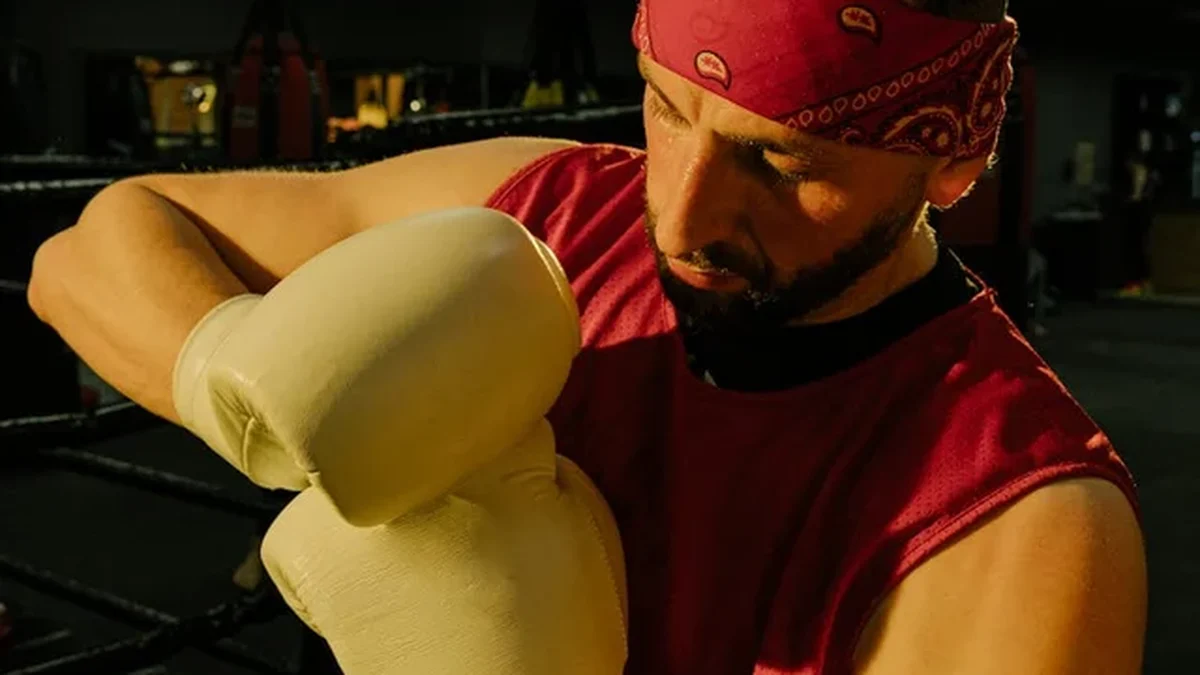
In the nuanced world of heavyweight boxing, the ability to fight effectively at close quarters is a critical separator between elite contenders and champions. The clinch and inside fighting represent a complex, physical chess match where technique, leverage, and intelligence are paramount. This glossary defines the key terms and techniques that underpin this aspect of the sport, providing insight into the strategies employed by the division's very best.
Clinch
A clinch is a defensive and strategic maneuver where a boxer holds or ties up their opponent's arms to prevent them from throwing punches. It is used to halt an opponent's offensive momentum, create a pause to recover, or disrupt their rhythm. Referees will typically intervene to break prolonged clinches, making effective entry and exit a vital skill.
Inside Fighting
Inside fighting refers to the range of combat where boxers are too close to throw full-power, long-range punches. At this distance, fighters utilize short, compact hooks, uppercuts, and body shots while often being in physical contact. Superior inside fighting requires excellent head movement, upper body strength, and the ability to generate power from a restricted position.
Collar-and-Elbow Tie-Up
This is a common clinching position where one fighter places a hand behind the opponent's neck (collar) and the other on their elbow, effectively controlling their upper body and limiting their punching capability. It is a fundamental control technique used to neutralize an opponent's offense and can be a precursor to pivoting or creating space.
Smothering
Smothering is an inside fighting tactic where a boxer presses their body tightly against their opponent, pinning their arms to their torso. This nullifies the opponent's punching power and offensive options entirely. The smothering fighter aims to wear down their adversary through physical pressure and close-quarters attrition.
Head Positioning
In the clinch and on the inside, controlling head position is crucial. Placing one's forehead against the opponent's temple, cheek, or shoulder can create leverage, obstruct their vision, and dictate the angle of disengagement. Proper head positioning can prevent the opponent from landing clean shots and create openings for short punches.
Dirty Boxing
A term for aggressive, borderline-legal tactics used at close range, such as leaning with the head, punching on the break, or hitting behind the ear. While often penalized, these tactics are employed to gain a psychological and physical edge. Masters of the craft operate on the very edge of the rules to frustrate and wear down opponents.
Pivot
A pivot is a footwork technique used to exit the clinch or inside position by rotating on the lead foot to change angle and create separation. Instead of stepping straight back, a fighter pivots to the side, often landing a punch as they spin away. This maneuver allows a boxer to disengage safely while potentially setting up a new offensive angle.
Framing
Framing involves using the forearms or gloves to create and maintain space between oneself and an opponent in a clinch. By pressing a forearm against the opponent's chest or shoulder, a fighter can manage distance, prevent them from getting their weight set, and create room to land short punches or break cleanly.
The Break
The break is the moment when fighters separate from a clinch, either on the referee's command or by mutual disengagement. How a fighter handles the break is critical; they must be defensively responsible to avoid being caught by a punch as they separate, while also being ready to capitalize if the opponent is slow to react.
Short Uppercut
A power punch thrown vertically upward from inside the clinch or at very close range. It is particularly effective when an opponent is leaning forward or trying to smother. The short uppercut travels a minimal distance but can be devastating when it lands cleanly on the chin or solar plexus.
Digging to the Body
This refers to throwing short, powerful hooks to the opponent's torso from the inside. These punches, often aimed at the liver or ribs, are designed to sap an opponent's stamina and lower their guard over time. Effective body work in close quarters can dictate the pace of a fight and create openings upstairs.
Lacing
A controversial and illegal tactic where a fighter uses the laces of their glove to rub against or apply pressure to an opponent's eyes or cuts during a clinch. This is a clear foul intended to cause injury or impair vision and is penalized by point deductions or disqualification.
Holding and Hitting
An illegal maneuver where a boxer uses one hand to hold or pin an opponent's arm or head while striking them with the other. This prevents the held opponent from defending effectively and is a flagrant foul that referees are trained to watch for and penalize severely.
Roughhousing
A general term for using physicality, strength, and aggressive clinch work to bully and unsettle an opponent. It involves leaning on them, throwing them off balance, and making the fight physically uncomfortable to drain their energy and break their concentration.
Underhooks
A grappling term adopted in boxing clinches, where a fighter passes their arm under their opponent's arm and gains control of their torso. Securing an underhook provides significant leverage, allowing a fighter to control posture, resist being moved, and set up short punches or a clean disengagement.
Overhooks
The opposite of an underhook, where a fighter places their arm over the top of the opponent's arm, pinning it to their body. While it can control one arm, it generally offers less leverage than an underhook and can leave the fighter vulnerable to being spun or off-balanced if not applied correctly.
Shoulder Roll (in the Clinch)
A defensive technique within a clinch where a fighter uses their shoulder to block or deflect incoming short punches from their opponent. By rolling the shoulder up to meet the punch, they can absorb the impact on a muscular, bony area rather than the head or chin.
Posting
Using an extended arm, typically with the palm or forearm, to keep an opponent at a desired distance. Posting on the opponent's chest, shoulder, or head prevents them from closing the gap to their preferred punching range and can be used to set up jabs or straight rights over the top.
The Phone Booth
A colloquial term for an intense, close-quarters exchange where neither fighter gives ground. Fought in a very confined space, phone booth wars are characterized by a high volume of short, powerful hooks and uppercuts, testing a fighter's chin, stamina, and willpower at the closest possible range.
Ring Generalship (in Close)
The application of ring intelligence and control specifically within clinch and inside fighting scenarios. It involves dictating when to clinch, where the fight takes place on the inside (against the ropes or in the center), and controlling the pace of these engagements to one's own advantage.
Breaking Power
This refers to a fighter's ability to generate concussive force with short punches from inside the clinch. Not all boxers can hurt an opponent at this range; those with exceptional breaking power, often derived from core strength and precise technique, remain dangerous even when their space is constricted.
Spoiling
A defensive strategy that involves excessive clinching, holding, and smothering to prevent a more skilled or powerful puncher from finding their rhythm and range. The spoiler aims to make the fight messy, disruptive, and technically poor to neutralize their opponent's advantages.
Catch-and-Pitch
An advanced inside fighting technique where a fighter "catches" or blocks an incoming short punch with their glove or arm and immediately "pitches" or returns a counter-punch of their own. This requires exceptional reflexes, hand speed, and coordination at close range.
Leverage
In the context of clinch work, leverage is the mechanical advantage gained through superior positioning, grip, and posture. Using leverage, a physically smaller fighter can control, off-balance, or maneuver a larger opponent by applying force at the most advantageous angles.
Mastering the intricate language of the clinch and inside fighting is essential for any aspiring champion. These techniques transform the chaotic, strength-based exchanges at close quarters into a contest of skill, strategy, and technical acumen. For a deeper analysis of how these principles apply to specific fighters, explore our detailed fighter comparison or examine the punch selection and combination patterns that define their styles. Executing these techniques effectively also relies on proper preparation, including the use of essential boxing equipment designed for close-contact training.