

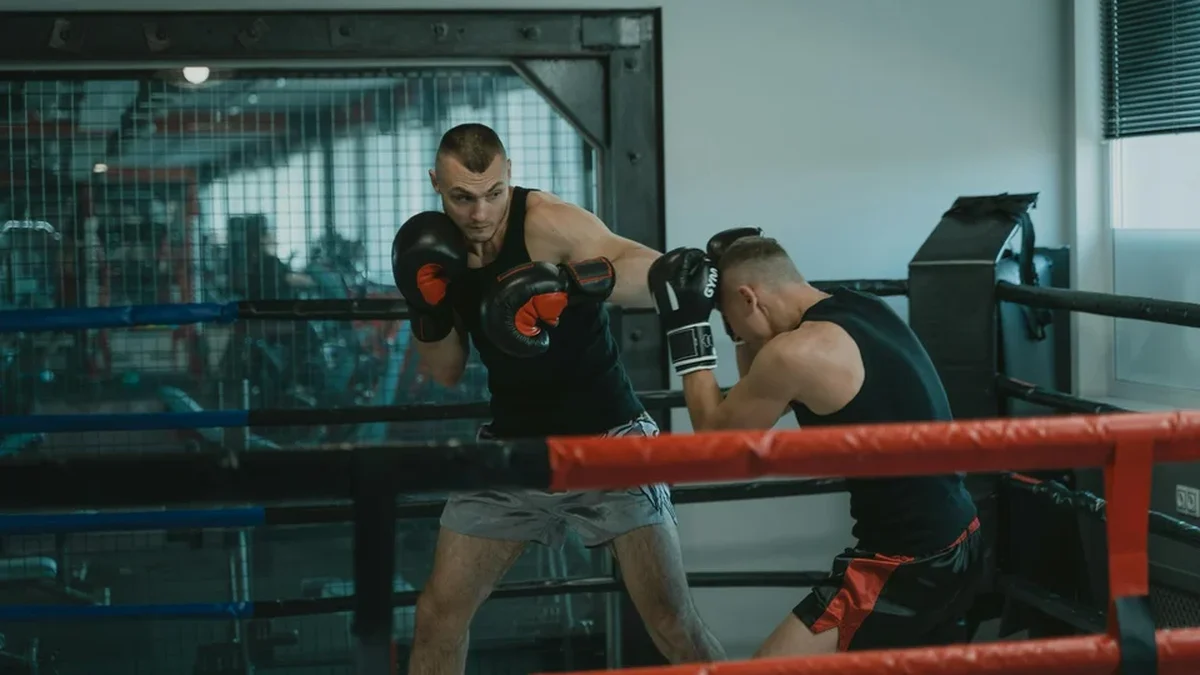
Essential Boxing Defense Techniques: Guard, Slipping & Blocking
Mastering the art of hitting without being hit is the cornerstone of boxing greatness. For fans of the sport’s modern titans, watching Anthony Oluwafemi Olaseni Joshua (AJ) and Tyson Luke Fury (The Gypsy King) operate, it’s clear that their elite-level success is built as much on impenetrable defense as it is on concussive power. AJ’s disciplined high guard under Robert McCracken and Fury’s elusive, phantomic movement honed by Javan 'SugarHill' Steward represent two masterclasses in defensive strategy.
This guide breaks down the essential boxing defense techniques—the guard, slipping, and blocking—into a practical, step-by-step process. By the end, you’ll not only improve your own skills but will gain a deeper analytical appreciation for the defensive nuances that decide world title fights. Whether you're training for the ring or learning how to watch and analyze bouts like a pro, these fundamentals are your starting point.
Prerequisites / What You Need
Before diving into the techniques, ensure you have the right setup:
Equipment: Hand wraps, boxing gloves, a mirror, and optionally a double-end bag or focus mitts with a partner.
Space: A clear area where you can move safely.
Mindset: Patience and consistency. Defense is a skill earned through relentless repetition.
Foundation: A solid boxing stance—feet shoulder-width apart, knees slightly bent, hands up, chin tucked.
The Step-by-Step Process to Building a Rock-Solid Defense
1. Establishing Your Impermeable Guard
Your guard is your primary shield. It must be active, not static.
The High Guard (The "AJ Shell"): Often utilized by Anthony Oluwafemi Olaseni Joshua, this involves holding both gloves high, touching the temples, with elbows tucked tightly to protect the body. The forehead peers just over the top of the gloves. This guard is excellent for blocking hooks and uppercuts and parrying straight shots. Practice maintaining this position while shadowboxing, ensuring you never drop your right hand after throwing a jab—a common flaw.
The Philly Shell (Cross-Armed Guard): A more advanced, energy-efficient guard favored by elusive fighters. The lead hand is extended lower, the rear hand is glued to the cheek, and the lead shoulder is raised to catch jabs. Mastery of this requires expert head movement and is a testament to a fighter’s confidence, much like Tyson Luke Fury’s ability to make opponents miss.
Drill: Stand before a mirror in your stance. Throw a 1-2 combination (jab-cross) and immediately return your hands to a perfect high guard position. Do this for 3 minutes, focusing on speed and precision of return.
2. The Art of Slipping Punches
Slipping is the art of moving your head off the centerline to evade a punch by the smallest margin necessary. It’s the hallmark of defensive geniuses like The Gypsy King.
Slipping the Jab: As the opponent’s jab comes, bend slightly at the knees and waist, moving your head to the outside of the lead hand (to your right if you are orthodox). Your movement should be a subtle, controlled dip—not a dramatic lean. This move, perfected by Fury in fights like his WBC Heavyweight Title defense against Deontay Wilder, opens counter-punching angles.
Slipping the Cross: For the rear-hand straight, slip to the inside. As the cross comes, bend the knees and move your head to your left (if orthodox), letting the punch glide over your right shoulder. This is riskier but sets up devastating body shots or check hooks.
Drill: With a partner throwing very light and slow jabs and crosses on command, practice slipping. Focus on smooth, economical movement. No flinching or closing your eyes.
3. Effective Blocking and Parrying
When you can’t slip, you must block. Blocking absorbs impact; parrying deflects it.
Blocking Hooks: For a lead hook, raise your lead elbow to meet the forearm of the incoming punch, keeping your glove pressed to your temple. For a rear hook, do the same with your rear arm. Tighten your core to absorb body shots.
Parrying Straight Shots: Use your lead hand to lightly tap or redirect an opponent’s jab away from its target. A subtle outward flick of the wrist is enough. This conserves more energy than a hard block and keeps your other hand free to counter. Observe how elite fighters use parries to control distance and tempo in World Boxing Council Heavyweight Championship contests.
Drill: Partner drill. One person throws slow, single punches (jab, cross, hook). The defender practices the appropriate block or parry, followed by immediately re-establishing their guard and throwing a single counter. Switch roles.
4. Integrating Footwork with Defense
Defense is not just upper body. Your feet dictate whether you’re in danger or in control.
Angling Out: After slipping or blocking a punch, don’t just retreat straight back. Use a slight pivot or side-step to move to an angle, putting you in a position of advantage. This is a critical skill for cutting off the ring or escaping corners, a frequent narrative in the long-awaited Battle of Britain.
Maintaining Distance: Use lateral movement to stay at the range where your defense is most effective. AJ often uses footwork to stay at mid-range for his power shots, while Fury uses it to glide between long range and infighting.
Drill: Shadowbox with emphasis on movement. Throw a combination, slip an imaginary punch, and then step to a 45-degree angle. Repeat, constantly changing direction.
5. Developing Defensive Ring Generalship
This is the strategic layer—using defense to control the fight.
Using the Ropes: Like Tyson Luke Fury, learn to roll and slide along the ropes to dissipate force from punches and create space to circle out. Never stand flat-footed against them.
Feinting to Draw Leads: Use feints to provoke your opponent into throwing predictable punches that you are already prepared to defend against. This high-level tactic turns defense into offense.
Drill: On the heavy bag, practice the "rope-a-dope" technique. Lean on the bag (simulating ropes), practice rolling with imagined punches, and then exploding off with a counter combination.
Pro Tips & Common Mistakes to Avoid
Pro Tip: Breathe & Relax. Tension slows you down. Exhale sharply when you slip or block to keep your core engaged and remain calm.
Pro Tip: Watch the Chest, Not the Hands. An opponent’s shoulders and chest telegraph punches more reliably than their gloves. This is a key insight for anyone learning how to watch and analyze fights.
Common Mistake: Pulling Straight Back. This is the most common defensive error. It leaves you off-balance, in punching range, and an easy target for a follow-up attack. Always move your head sideways off the line of fire.
Common Mistake: The "Eyes Closed" Flinch. This must be trained out through gradual exposure. Start with slow partner drills and trust your equipment and technique.
* Common Mistake: Neglecting the Body Guard. When focusing on head movement, fighters often drop their elbows, leaving the liver and solar plexus exposed. Keep that guard tight, as demonstrated in the disciplined style of Anthony Oluwafemi Olaseni Joshua under Rob McCracken.
Checklist Summary: Your Defensive Foundation
Use this bullet list as your daily training reminder to ingrain these essential skills:
- Stance & Guard Check: Begin every drill with a perfect, relaxed stance and an active, high guard.
- Slipping Drills: Practice slipping jabs (outside) and crosses (inside) with minimal, efficient movement in front of a mirror or with a partner.
- Blocking & Parrying Practice: Work on correctly positioning your arms to absorb hooks and using your lead hand to deftly parry straight shots.
- Footwork Integration: Never defend statically. Always pair a slip or block with a slight angle step or pivot to improve your position.
- Live Application: Spar lightly with a focus solely on defense. Work on seeing punches come, using the techniques above, and avoiding the instinct to pull straight back.
- Film Study: Actively watch fights, like the Joshua vs Klitschko fight breakdown, or study Tyson Fury's career timeline milestones, focusing solely on the defensive maneuvers of the elite. Notice how they blend these basic techniques seamlessly.
By methodically working through this checklist, you build the layered defense that defines champions. It is this very mastery that separates contenders from titleholders in the halls of Wembley Stadium or London's O2 Arena, and it is the intricate dance of attack and avoidance that makes the pursuit of the undisputed World Boxing Association Heavyweight Championship and International Boxing Federation Heavyweight Championship so compelling. Now, get to work.